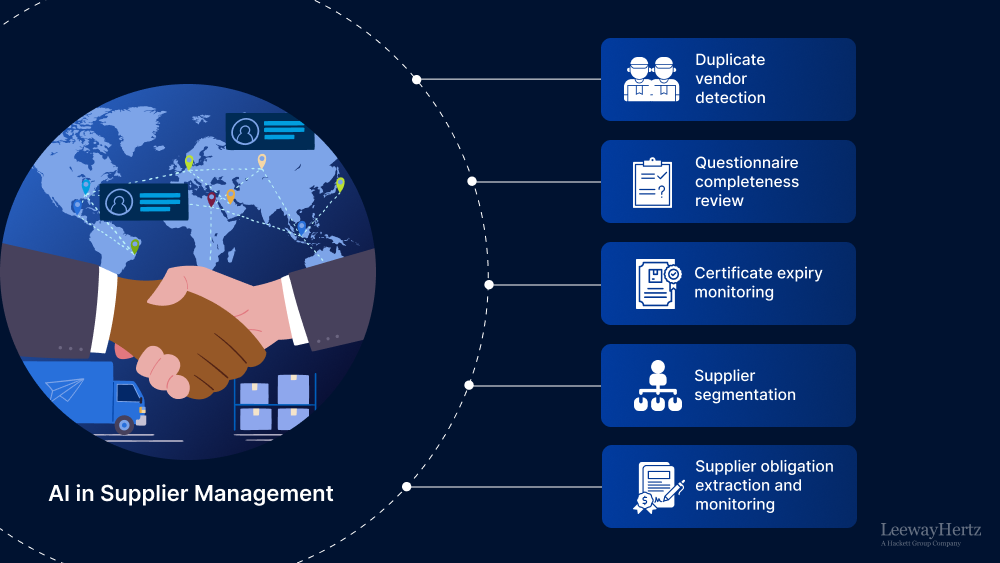
Supplier management coordinates the activities required to screen, onboard, qualify, govern, monitor, develop, and eventually offboard suppliers. It begins after a sourcing award or approved request. It continues through onboarding, master data, performance, risk, obligations, and exit. The effective supplier management function affects continuity, quality, cost, fraud exposure, compliance, and working capital. A weak supplier record can create duplicate vendors. A poor bank change control can redirect payments. An expired certificate can interrupt production or expose the organization to an unmet obligation.
The operating scale is large. In 2025, U.S. imports of goods and services totaled $4,333.8 billion, up $197.8 billion from 2024. Although this figure does not measure supplier management directly, it illustrates the scale of international trade supported by accurate supplier data, compliance screening, risk monitoring, and financial controls [1]. The fraud boundary remains material. In 2025, the FBI’s Internet Crime Complaint Center received 24,768 business email compromise complaints, with reported losses of around $3.05 billion [2]. These figures reinforce the need for independent verification and human approval when supplier bank details or payment instructions change.
AI adds value to supplier management by connecting the dots. Supplier management suits AI because it is artifact-heavy and exception-heavy. Teams review forms, certificates, ratings, scorecards, contracts, risk alerts, and corrective records. They also reconcile the same supplier across portals, ERP records, risk feeds, and document repositories. The useful solution is not a generic chatbot. A vendor master data analyst needs duplicate candidates with matched fields. An accounts payable manager needs independent bank-verification evidence. A supplier quality engineer needs a PPAP gap list. A category manager needs a QBR packet with source-linked metrics.
AI can extract fields, resolve entities, classify exceptions, identify anomalies, retrieve approved policy, prepare evidence, draft communications, and coordinate named workflows. Humans still approve supplier activation, sanctions dispositions, bank changes, qualification, scorecards, corrective-action closure, and exits.
Clear boundaries are essential because supplier management overlaps with several adjacent functions. Procurement and sourcing own supplier discovery, competitive events, evaluation, selection, and award. Supplier management begins after award, when the supplier must be enabled, governed, monitored, developed, and eventually offboarded. Contract management owns contract drafting, negotiation, amendments, and legal interpretation. Accounts payable owns invoice processing and payment execution. This article focuses on supplier lifecycle activities, including vendor-master controls, supplier performance, risk monitoring, obligation tracking, and exit readiness.
An operating model view is needed because broad function labels do not define where AI can be applied safely or effectively. Each function contains processes, and each process contains sub-processes with different inputs, systems, controls, exceptions, reviewers, and outputs. Decomposing work to the sub-process level makes the opportunity specific. It shows which artifact AI analyzes, which capability is used, what decision remains with a person, and what evidence must be retained.
This article maps 10 core supplier management functions across the full lifecycle, from supplier request and onboarding through performance management, risk monitoring, development, obligation alignment, and offboarding. For each function, it identifies the underlying processes and sub-processes, the relevant artifacts and systems, the exact AI capabilities that can support the work, the human review boundary, and the resulting operational and audit outputs.
- How AI is transforming supplier management operations
- Why AI use cases in supplier management must be mapped at the sub-process level
- Supplier management operating model and AI opportunity mapping across supplier lifecycle processes
- High-value AI use cases in supplier management
- How agentic AI works in supplier management workflows
- How to prioritize AI use cases in supplier management
- Governance, risk, and responsible AI in supplier management
- How ZBrain operationalizes AI use cases in supplier management
- Future of AI in supplier management
How AI is transforming supplier management operations
AI can support supplier management by analyzing supplier artifacts, reconciling information across systems, and preparing evidence before human review. It connects information across portals, vendor masters, risk feeds, quality systems, contract repositories, and AP records. It can then prepare evidence, identify exceptions, and organize cases for specialist review.
These capabilities are most useful across recurring categories of supplier management work, where the artifacts, review steps, and exception patterns are clearly defined. The following work types show where AI can transform supplier management by applying specific capabilities to defined artifacts and review tasks:
-
Document-heavy work: Document intelligence can extract fields from W-9s, W-8BEN-Es, COIs, ISO certificates, bank records, questionnaires, PPAP packages, SCARs, and exit checklists. Anomaly detection flags missing information, expired documents, and conflicting values before human review.
-
Narrative-heavy work: Natural-language generation can prepare QBR summaries, supplier risk briefs, adverse media findings, corrective action requests, development plans, and exit recommendations. Retrieval-grounded generation can link each statement to approved records and source evidence.
-
Exception-heavy work: Classification and anomaly detection can identify duplicate vendors, tax mismatches, sanctions candidates, bank ownership discrepancies, expired certificates, missed OTIF targets, cyber alerts, and overdue SCARs. Predictive ranking can prioritize cases by urgency, exposure, and required reviewer.
-
Knowledge-heavy work: Policy retrieval can surface category qualification matrices, bank verification SOPs, sanctions policies, supplier codes, insurance requirements, and master-data standards during review. Retrieval-grounded answering can show the applicable rule and its source without replacing human interpretation.
-
Workflow-heavy work: Workflow coordination can track onboarding, certificate renewal, QBR preparation, risk escalation, corrective-action follow-up, and offboarding across multiple systems. Agentic workflows can gather evidence, monitor deadlines, route exceptions, and pause for approval before any risk-bearing a
Build governed AI workflows for supplier management
Connect supplier data, enterprise systems, policies, and approval controls to automate evidence gathering, exception handling, and workflow coordination across the supplier lifecycle.
Why AI use cases in supplier management must be mapped at the sub-process level
Supplier management spans a connected set of activities across supplier onboarding, supplier qualification, vendor master data management, performance, risk, development, obligation monitoring, and offboarding. Each function contains different systems, artifacts, controls, exceptions, and approval requirements. As a result, broad ideas such as “AI for onboarding” or “AI for supplier risk” are too general to define a buildable workflow.
A practical AI opportunity becomes clear only when the work is decomposed to the sub-process level. This shows which supplier artifact AI will analyze, which capability it will apply, where the data comes from, what exceptions it must detect, and which role must review the output. It also defines the system action that may occur after approval and the evidence that must be retained.
This decomposition can be understood through four connected levels, moving from broad areas of accountability to specific, buildable AI opportunities:
-
Function: A governed area of supplier lifecycle accountability. Examples include vendor master data management, performance management, and risk monitoring.
-
Process: A recurring workflow area within a function. Examples include bank verification, supplier scorecard preparation, certificate management, and risk-alert review.
-
Sub-process: A bounded work activity with a defined trigger, input artifact, source system, control, exception path, output, and accountable reviewer. Examples include matching a supplier against existing vendor records or checking a certificate expiry date.
-
AI-enabled opportunity: A specific AI or automation capability applied to a defined input within the sub-process to produce a reviewable output. For example, entity resolution can compare a supplier registration record with the vendor master to identify duplicate candidates, while document intelligence can extract coverage limits and expiry dates from a certificate of insurance.
This detail makes implementation testable. Duplicate vendor detection needs the request, master record, entity identifiers, similarity rules, reviewer threshold, and merge policy. Bank verification needs submitted account data, independent contacts, approved validation methods, exception categories, and AP confirmation.
The distinction becomes clearer when a broad use case is translated into a specific workflow. “AI for supplier risk” is too general to define what should be built. In contrast, “entity resolution links an external credit event to the correct supplier and parent entity, then exposure-weighted prioritization ranks the alert for finance review” specifies the input, capability, output and reviewer.
Sub-process mapping also exposes dependencies that broad use-case labels can hide. A QBR workflow, for example, depends on agreed metrics, source lineage, prior actions, current risk information, contractual obligations, and a named review owner. If those inputs, controls, or ownership structures are not available, the use case is not yet implementation-ready.
A complete sub-process definition should also distinguish between AI-generated analysis and authorized system actions. AI may prepare a recommendation, evidence packet, or staged update, while a named human approver retains authority over consequential actions such as supplier activation, bank-detail changes, compliance dispositions, or deactivation.
Supplier management operating model and AI opportunity mapping across supplier lifecycle processes
Supplier management starts with an approved supplier request. It continues through registration, qualification and compliance review, vendor master data management, relationship governance, performance monitoring, risk management, supplier development, obligation alignment, and exit.
The operating model groups these activities into four lifecycle phases: supplier entry and enablement, relationship governance and performance, risk, development, and obligation alignment, and offboarding and exit. These phase headings organize the 10 functions.
Within each phase, the operating model decomposes every function into processes and sub-processes. Each table identifies the supplier artifact involved, the exact AI capability applied, the expected output, and the human review boundary.
The mapping covers 10 core functions across the lifecycle, from post-award enablement through final supplier deactivation. For each function, it identifies the teams involved, AI support, human ownership, artifacts, systems, regulations, controls, accountable roles, high-value opportunities, and a named agentic workflow.
The goal is not autonomous supplier management. It is governed AI support for evidence gathering, validation, exception handling, monitoring, and workflow preparation.
Supplier entry and enablement
Function 1: Supplier request and pre-onboarding screening
Turning a proposed supplier request into a screened, policy-aligned intake decision.
This function begins after a business user proposes a new supplier. It converts a request into a reviewable screening packet.
The output supports supplier registration, qualification, or a controlled redirect to an existing approved supplier.
Teams involved: Procurement operations, category management, supplier management, compliance, vendor master data management teams, and the requesting business unit.
What AI helps with: Document intelligence structures request forms. Entity resolution searches the vendor master data. Fuzzy entity matching checks sanctions lists. Retrieval-grounded classification compares the request with approved supplier policies.
What humans continue to own: The requester owns the business need. The category manager confirms whether an existing supplier can meet it. The compliance officer resolves sanctions candidates. AI extracts, matches, and prepares, but does not approve a new supplier request.
| Process | Sub-process | AI-enabled opportunities |
| Supplier request intake | New supplier request capture |
|
| Business need and policy validation |
|
|
| Entity screening | Duplicate vendor detection |
|
| Legal entity and address normalization |
|
|
| Compliance screening | Sanctions and watchlist screening |
|
| Adverse media triage |
|
|
| Preferred supplier steering | Approved vendor list matching |
|
| Pre-onboarding exception review |
|
Key artifacts
-
New supplier request form
-
Normalized intake record
-
Duplicate vendor match report
-
Legal entity profile
-
OFAC and sanctions screening result
-
Adverse media report
-
Approved vendor list comparison
-
New supplier exception packet
Systems involved
-
Supplier intake workflow platform
-
SAP Ariba SLP or another supplier management platform
-
ERP vendor master
-
SAP MDG-S or Oracle supplier master
-
Sanctions screening service
-
Adverse media intelligence platform
-
Approved vendor list repository
Regulatory and control considerations
Legal and regulatory obligations:
-
OFAC publishes current SDN and non-SDN data through its sanctions list service.
-
The U.S. Consolidated Screening List combines multiple commerce, state, and treasury lists.
-
Internal policies and controls: Potential sanctions matches require documented disposition. New requests should not bypass preferred-supplier or conflict-of-interest controls.
Accountable roles
-
Procurement operations manager
-
Category manager
-
Supplier management or SRM manager
-
Compliance officer
-
Vendor master data analyst
-
Business requester
Highest-value opportunities
-
Duplicate vendor detection: It prevents redundant records before tax, bank, and payment data spread across systems.
-
Sanctions screening: It creates a hard compliance checkpoint before registration or activation.
-
Preferred supplier steering: It reduces avoidable supplier proliferation and protects negotiated supplier relationships.
Example agentic workflow: New supplier request screening workflow
- Agent role: Prepare a screened supplier request packet and identify the correct next path.
- Starting artifacts: New supplier request form, vendor master, approved vendor list, sanctions sources, and adverse media feeds.
- Workflow: Extract request data, normalize the entity, search for duplicates, screen restricted-party sources, and compare approved suppliers.
- Exception handling: Route incomplete requests, duplicate candidates, possible sanctions matches, and policy exceptions to the named reviewer.
- Human checkpoint: The category manager confirms the need. The compliance officer resolves any screening match. The procurement operations manager approves progression.
- Output: An approved registration trigger, a redirect to an existing supplier, or a documented rejection and evidence bundle.
Function 2: Supplier onboarding and registration
Turning an approved supplier request and supplier submitted evidence into a validated setup packet.
This function launches supplier registration and collects profile, tax, and bank information. It also tracks completion and validates high-risk fields.
The output is a reviewed setup packet. It feeds qualification and vendor master data creation.
Teams involved: Supplier management, procurement operations, vendor master data management teams, accounts payable, tax, treasury, compliance, and supplier contacts teams.
What AI helps with: Workflow coordination manages registration campaigns. Document intelligence reads tax and bank forms. Validation services check TIN and VAT identifiers. Anomaly detection finds bank, identity, and questionnaire conflicts.
What humans continue to own: Tax specialists determine the correct tax treatment. Accounts payable and treasury counterpart teams confirm bank ownership. The vendor master data analyst validates master-data readiness. AI prepares and checks, but does not activate a supplier or approve payment instructions.
| Process | Sub-process | AI-enabled opportunities |
| Registration campaign | Portal invitation and registration launch |
|
| Questionnaire completion monitoring |
|
|
| Tax validation | Tax form classification |
|
| TIN and name matching |
|
|
| Bank verification | Bank data extraction and format checking |
|
| Micro-entry or penny-test tracking |
|
|
| Ownership callback confirmation |
|
|
| Supplier setup and activation | Setup packet and activation readiness recommendation |
|
Key artifacts
-
Approved supplier request
-
Supplier registration questionnaire
-
W-9 or W-8BEN-E
-
TIN match confirmation
-
VAT validation response
-
Bank verification record
-
Penny-test log
-
Callback confirmation
-
Sanctions screening result
-
Supplier setup packet
Systems involved
-
SAP Ariba SLP
-
Coupa supplier portal
-
Jaggaer
-
Bank account validation service
-
Accounts payable platform
-
Vendor master workflow platform
-
Document repository
-
Communication platform
Regulatory and control considerations
-
Legal and regulatory obligations: The IRS TIN Matching Program checks a payee name and TIN before information returns are filed. Form W-8BEN-E is used for specified foreign entity certifications.
-
Industry or network rules: Nacha defines micro-entries as sub-dollar ACH entries used for account validation. Its rule also requires commercially reasonable fraud detection for micro-entry use.
-
Internal policies and controls: The FBI recommends secondary channels to verify account-information changes. Supplier activation and bank changes should require independent confirmation and segregation of duties.
-
Platform context: SAP Ariba supplier registrations can collect bank and tax information before a supplier becomes transactable.
Accountable roles
-
Supplier management or SRM manager
-
Vendor master data analyst
-
Procurement operations manager
-
Accounts payable manager
-
Tax reviewer
-
Treasury reviewer
-
Compliance officer
-
Internal audit manager
Highest-value opportunities
-
Questionnaire completeness review: It removes avoidable waiting before tax, bank, and qualification reviews begin.
-
TIN and VAT validation: It converts structured government responses into traceable tax evidence.
-
Bank ownership verification: It addresses a direct payment-fraud boundary while retaining independent human confirmation.
-
Setup packet assembly: It reduces fragmented review across portals, email, tax tools, and master-data queues.
Example agentic workflow: Supplier onboarding with bank verification
- Agent role: Prepare a complete supplier setup packet and coordinate approved verification steps.
- Starting artifacts: Approved new supplier request, registration questionnaire, tax forms, bank details, COI, sanctions result, and category requirements.
- Workflow: Search for duplicates, launch registration, extract responses, validate tax identifiers, compare qualification rules, and track the approved penny test.
- Exception handling: Flag insurance below policy, missing certificates, tax mismatches, bank conflicts, failed micro-entries, and possible sanctions matches.
- Human checkpoint: The vendor master data analyst confirms the independent bank callback. The supplier management manager approves activation or sends the packet for remediation.
- Output: A reviewed setup packet, approved vendor-master creation request, scheduled certificate monitors, and retained SOX control evidence.
Function 3: Supplier qualification and compliance documentation
Turning supplier evidence into a controlled qualification status for a defined category and risk profile.
This function checks whether a supplier has the required insurance, certifications, attestations, audits, and category evidence. Requirements vary by category and geography.
The output is a qualified, conditionally qualified, or rejected status with documented gaps.
Teams involved: Supplier quality, supplier management, compliance, ESG, information security, category management, engineering, and legal teams.
What AI helps with: Document intelligence extracts certificate and policy fields. Authenticity checks compare issuer and certificate metadata. Policy retrieval selects category requirements. Workflow coordination tracks expiry, audits, PPAP, and remediation.
What humans continue to own: Supplier quality engineers accept technical evidence. Compliance and ESG teams approve attestations and exceptions. Information security analysts own cyber qualification. AI checks and prepares, but does not certify compliance or accept a supplier audit.
| Process | Sub-process | AI-enabled opportunities |
| Certificate management | Certificate of insurance collection |
|
| ISO and sector certificate extraction |
|
|
| Certificate authenticity and status review |
|
|
| Expiry monitoring and renewal escalation |
|
|
| Supplier compliance attestation management | Code of conduct and anti-bribery attestation |
|
| Category qualification | Supplier audit evidence review |
|
| PPAP package completeness review |
|
|
| Category qualification | First article inspection preparation |
|
Key artifacts
-
Certificate of insurance
-
ISO 9001 certificate
-
ISO 14001 certificate
-
ISO/IEC 27001 certificate
-
IATF 16949 certificate
-
GFSI certificate
-
Supplier code of conduct attestation
-
Anti-bribery attestation
-
Supplier audit report
-
PPAP package
-
First article inspection report
-
Qualification decision record
Systems involved
-
Supplier portal
-
Document repository
-
Quality management system
-
Audit management platform
-
Certificate verification source
-
Engineering document management system
-
Governance, risk, and compliance platform
-
Supplier qualification workflow platform
Regulatory and control considerations
-
Industry or technical standards: ISO 9001 defines quality management system requirements. ISO 14001 addresses environmental management systems. ISO/IEC 27001 defines information security management system requirements.
-
Automotive standards: IATF publishes IATF 16949. AIAG describes PPAP as the industry standard for confirming that production processes can meet engineering requirements.
-
Food import requirements: FDA FSVP requires covered importers to perform risk-based foreign supplier verification activities for imported food.
-
Anti-bribery controls: Supplier attestations may support FCPA, but an attestation does not replace risk-based due diligence.
Accountable roles
-
Supplier quality engineer
-
Compliance officer
-
ESG or sustainability manager
-
Information security analyst
-
Category manager
-
Supplier management or SRM manager
-
Engineering approver
-
Legal counsel
Highest-value opportunities
-
COI coverage extraction: It converts a common but error-prone document into structured covenant evidence.
-
Certificate expiry monitoring: It prevents qualification status from becoming stale after onboarding.
-
PPAP completeness review: It reduces manual package checks while preserving engineering approval.
-
Audit finding classification: It gives reviewers a consistent queue for corrective action and requalification.
Example agentic workflow: Supplier qualification evidence review
- Agent role: Prepare a category-specific qualification packet and track evidence gaps.
- Starting artifacts: Qualification matrix, COI, certificates, attestations, audit reports, PPAP records, and first article inspection results.
- Workflow: Extract metadata, compare requirements, verify scope and dates, classify findings, and assemble the decision packet.
- Exception handling: Route authenticity concerns, critical audit findings, inadequate insurance, missing PPAP elements, and expired certificates.
- Human checkpoint: The supplier quality engineer accepts technical evidence. Compliance, ESG and information security reviewers approve domain-specific requirements.
- Output: A supplier qualification status with documented conditions, gap actions, expiry monitoring requirements, and retained review evidence.
Function 4: Vendor master data management
Turning approved supplier data into governed master records and controlled changes.
This function creates and maintains the supplier record used by purchasing and finance systems. It also governs sensitive changes and data quality.
The output is a governed supplier master record with traceable changes, validated data, and a clear lifecycle status.
Teams involved: Supplier master data team, procurement operations, accounts payable, tax, treasury, supplier management, data governance, and internal audit.
What AI helps with: Entity resolution detects duplicates and hierarchies. Validation checks master-data standards. Anomaly detection flags unusual bank-detail changes before vendor master or payment updates are approved. Workflow automation enforces independent review, approval, data-quality, and inactivity controls, cleansing and inactivity rules.
What humans continue to own: The vendor master data analyst owns record quality. Accounts payable and treasury teams confirm bank changes. Authorized approvers release sensitive changes. AI prepares and routes, but does not create or change a payable vendor without approval.
| Process | Sub-process | AI-enabled opportunities |
| Master record creation | Vendor creation packet validation |
|
| Vendor record creation preparation |
|
|
| Change governance | Bank change request screening |
|
| Four-eyes approval routing |
|
|
| Entity hierarchy | DUNS parent-child linkage |
|
| Data quality management | Duplicate vendor detection and merge review |
|
| Periodic field quality review |
|
|
| Inactive vendor identification |
|
Key artifacts
-
Vendor master creation packet
-
SAP LFA1 or LFB1 views, where applicable
-
SAP business partner data
-
Oracle supplier record
-
Bank verification record
-
Vendor master change log
-
DUNS hierarchy record
-
Duplicate vendor merge packet
-
Vendor data quality report
-
Inactive vendor review record
Systems involved
-
SAP S/4HANA
-
SAP Master Data Governance for Supplier
-
Legacy SAP ERP, where applicable
-
Oracle Fusion Cloud Procurement or Oracle E-Business Suite
-
ERP purchasing and accounts payable modules
-
D&B entity intelligence platform
-
Audit and evidence repository
Regulatory and control considerations
-
Internal financial controls: SOX-driven internal control over financial reporting often places vendor creation, bank changes, and payment terms inside documented segregation-of-duties controls.
-
Data protection: Supplier contact and identity data may be personal data under GDPR. Access, retention, and deletion rules should reflect the processing purpose.
Accountable roles
-
Vendor master data analyst
-
Accounts payable manager
-
Procurement operations manager
-
Supplier management or SRM manager
-
Tax reviewer
-
Treasury reviewer
-
Data owner
-
Internal audit manager
Highest-value opportunities
-
Duplicate cleansing: It improves spend visibility and prevents repeated onboarding and payment records.
-
Bank change anomaly detection: It targets a high-loss fraud path before payment execution.
-
Four-eyes workflow enforcement: It makes sensitive changes traceable and prevents self-approval.
-
Inactive-vendor review: It reduces unnecessary active records without closing legitimate obligations.
Example agentic workflow: Controlled vendor master change
- Agent role: Prepare a sensitive master data change packet and enforce the approved review path.
- Starting artifacts: Vendor master change request, current record, bank evidence, contact history, payment history, and master data policy.
- Workflow: Compare old and new values, detect anomalies, retrieve policy, assemble evidence, and route separate validation and approval tasks.
- Exception handling: Escalate new-country bank changes, ownership mismatches, reused accounts, urgent requests, missing callback evidence, and conflicting tax data.
- Human checkpoint: The AP manager or treasury reviewer confirms bank ownership. A separate vendor master data analyst approves the controlled update.
- Output: An approved system update with old and new values, reviewer identities, timestamps, and retained evidence.
Accelerate AI Solutions Development
Build fully functional solutions from your high-value use cases, based on specific operational needs and enterprise context.
Relationship governance and performance
Function 5: Supplier segmentation and relationship governance
Turning supplier importance and dependency data into a defined relationship model and governance cadence.
This function uses approved segmentation criteria to propose relationship tiers, such as strategic, preferred, or transactional, based on the organization’s governance model. It then defines sponsorship, meeting cadence, and relationship objectives.
The output is a governed relationship model that guides performance, risk, development, and executive attention.
Teams involved: Supplier management, category management, procurement leadership, business stakeholders, finance, quality, risk, engineering teams, and executive sponsors.
What AI helps with: Classification applies segmentation rules. Graph analytics maps stakeholders and dependencies. Optimization recommends governance cadence. Natural-language generation drafts relationship charters from approved inputs.
What humans continue to own: Category managers and supplier leaders approve tiers. Executives accept sponsorship responsibilities. Business owners agree to relationship objectives. AI scores and drafts, but does not assign strategic status or commit executive attention.
| Process | Sub-process | Exact AI-enabled opportunities |
| Supplier segmentation | Supplier tier calculation |
|
| Tier override review |
|
|
| Supplier relationship design | Governance cadence design |
|
| Executive sponsorship mapping |
|
|
| Relationship charter preparation |
|
|
| Meeting governance | QBR and annual review scheduling |
|
Key artifacts
-
Supplier segmentation profile
-
Supplier segmentation scorecard
-
Supplier tier override record
-
Executive sponsor map
-
Supplier relationship charter
-
Supplier governance calendar
-
QBR schedule
-
Annual supplier review schedule
-
Supplier relationship action log
Systems involved
-
Supplier management platform
-
Spend analytics platform
-
Enterprise resource planning system
-
Contract lifecycle management system
-
Supplier risk management platform
-
Supplier performance management system
-
Enterprise directory or contact management system
-
Calendar and scheduling platform
-
Enterprise collaboration platform
Regulatory and control considerations
-
Internal policies and controls: Segmentation should use approved criteria and documented overrides. Strategic status should not be inferred from spend alone.
-
Governance boundary: Relationship governance coordinates supplier decisions. It does not replace sourcing awards, contract authority, or AP payment controls.
Accountable roles
-
Category manager
-
Supplier management or SRM manager
-
Chief procurement officer
-
Executive sponsor
-
Business owner
-
Supplier quality engineer
-
Information security analyst
-
ESG or sustainability manager
-
Finance representative
Highest-value opportunities
-
Explainable segmentation: It creates a consistent basis for governance investment and exceptions.
-
Governance cadence design: It prevents strategic suppliers from receiving transactional oversight.
-
Relationship charter preparation: It turns dispersed expectations into a shared operating record.
Example agentic workflow: Strategic supplier governance setup
- Agent role: Prepare a proposed relationship tier, sponsor map, charter, and governance calendar.
- Starting artifacts: Spend, criticality, risk, quality, innovation, contract, stakeholder, and supplier profile data.
- Workflow: Apply segmentation rules, explain the score, propose sponsors, draft the charter, and prepare the meeting cadence.
- Exception handling: Route strategic-tier overrides, missing executive ownership, conflicting objectives, and high-risk relationships for review.
- Human checkpoint: The category manager approves the tier. The executive sponsor accepts the charter and governance commitments.
- Output: An approved segmentation profile, relationship charter, sponsor map, and scheduled governance cadence.
Function 6: Performance management
Turning operational data and supplier responses into reviewed scorecards, QBR actions, and corrective work.
This function measures delivery, quality, cost, invoice accuracy, and responsiveness. It also supports supplier reviews, identifies performance exceptions, and coordinates corrective-action follow-through.
The output is a published scorecard, agreed actions, and traceable evidence of performance improvement and corrective-action closure.
Teams involved: Category management, supplier management, supplier quality, procurement operations, plant operations, logistics, accounts payable, finance, and supplier representatives.
What AI helps with: Data aggregation builds scorecards. Anomaly detection checks metric quality. Predictive analytics identifies deterioration. Natural-language generation prepares QBR narratives and SCAR drafts. Workflow automation tracks actions and 8D evidence.
What humans continue to own: Metric owners validate source data and approved calculation logic. Category managers publish scorecards and lead QBRs. Supplier quality engineers issue and close SCARs. AI calculates, drafts, and prioritizes, but does not accept performance or close corrective action.
| Process | Sub-process | AI-enabled opportunities |
| Supplier performance measurement and review | Automated metric ingestion |
|
| Metric validation and normalization |
|
|
| Trend and exception analysis |
|
|
| QBR management | QBR deck preparation |
|
| Action log preparation and tracking |
|
|
| Supplier corrective action management | SCAR preparation and routing |
|
| 8D corrective action monitoring and closure validation |
|
Key artifacts
-
Supplier scorecard
-
Metric dictionary
-
OTIF records
-
Quality PPM records
-
Invoice accuracy records
-
Responsiveness log
-
QBR deck
-
QBR action log
-
Supplier corrective action request
-
8D report
-
Closure evidence package
Systems involved
-
Enterprise resource planning system
-
Warehouse management system
-
Transportation or logistics management system
-
Quality management system
-
Accounts payable platform
-
Supplier performance management platform
-
Enterprise data warehouse
-
Business intelligence and analytics platform
-
Meeting and collaboration platform
-
Corrective action management platform
Regulatory and control considerations
-
Industry and technical standards: Quality metrics and corrective actions may support ISO 9001 or IATF 16949 supplier-control processes. The accountable quality function should define the accepted evidence.
-
Internal policies and controls: Metric definitions, source lineage, score overrides, and SCAR closure should be versioned and approved.
Accountable roles
-
Category manager
-
Supplier management or SRM manager
-
Supplier quality engineer
-
Procurement operations manager
-
Accounts payable manager
-
Plant or operations owner
-
Logistics owner
-
Finance analyst
Highest-value opportunities
-
Automated scorecard preparation: It removes repeated data assembly while keeping metric owners accountable.
-
Trend and exception analysis: It identifies deterioration before a quarterly meeting becomes the first signal.
-
QBR deck preparation: It gives reviewers a consistent evidence package across performance, risk, and obligations.
-
SCAR and 8D follow-through: It prevents corrective actions from becoming untracked email exchanges.
Example agentic workflow: Supplier performance review and corrective action management
- Agent role: Prepare the supplier performance packet and track approved corrective actions.
- Starting artifacts: OTIF, PPM, invoice accuracy, cost, responsiveness, risk updates, prior QBR actions, SCARs, and 8D reports.
- Workflow: Aggregate metrics, validate calculations, analyze trends, draft the QBR deck, and prepare corrective-action records.
- Exception handling: Route disputed data, threshold breaches, repeated defects, overdue actions, and incomplete 8D evidence to the right owner.
- Human checkpoint: Metric owners validate data. The category manager publishes the scorecard. The supplier quality engineer approves SCAR issue and closure.
- Output: A published scorecard, approved QBR deck, assigned action log, and controlled corrective-action record.
Risk, development, and obligation alignment
Function 7: Risk monitoring
Turning external signals and internal exposure data into prioritized supplier risk decisions.
This function monitors financial, cyber, ESG, sanctions, adverse media, concentration, and sub-tier risk. It links external signals to the correct supplier entity and the organization’s actual business exposure.
The output is a reviewed risk register entry, escalation decision, and mitigation action.
Teams involved: Third-party risk, supplier management, category management, finance, information security, compliance, ESG, supply chain planning, quality, legal teams, and executive risk committees.
What AI helps with: Signal aggregation combines external and internal data. Entity resolution aligns signals to the correct supplier. Classification assigns risk themes. Predictive analytics estimates deterioration. Graph analytics maps sub-tier and concentration exposure.
What humans continue to own: Finance teams own financial risk interpretation. Information security teams own cyber decisions. Compliance and ESG teams own sanctions and human-rights decisions. Category and executive leaders accept mitigation or exit actions. AI scores and summarizes, but does not determine supplier acceptability.
| Process | Sub-process | AI-enabled opportunities |
| Supplier financial risk monitoring and assessment | Financial health signal aggregation |
|
| Financial deterioration monitoring |
|
|
| Supplier cybersecurity risk monitoring and assessment | Cyber posture monitoring |
|
| Breach and incident alerting |
|
|
| Supplier ESG and compliance risk monitoring and assessment | ESG and conflict minerals monitoring |
|
| Supplier forced labor, sanctions, and adverse media monitoring |
|
|
| Supplier sub-tier and concentration risk monitoring and assessment | Sub-tier relationship mapping |
|
| Single-source and geographic concentration analysis |
|
|
| Supplier risk response and mitigation management | Supplier risk case assessment and escalation |
|
Key artifacts
-
Financial rating alerts
-
Credit event alerts
-
Cybersecurity posture changes
-
Supplier breach notifications
-
Adverse media alerts
-
Sanctions status changes
-
ESG rating changes
-
EcoVadis assessment records
-
CDP disclosure records
-
Conflict minerals reporting template
-
Supplier risk register
-
Sub-tier supplier map
-
Supplier concentration analysis
-
Risk mitigation plan
Systems involved
-
D&B business intelligence platform
-
RapidRatings financial health analytics platform
-
BitSight cybersecurity ratings platform
-
SecurityScorecard cybersecurity ratings platform
-
EcoVadis sustainability assessment platform
-
CDP disclosure platform
-
Sanctions screening platform
-
Adverse media intelligence platform
-
Governance, risk, and compliance or third-party risk management platform
-
Enterprise resource planning system
-
Supply chain planning system
-
Quality management system
-
Enterprise data lake
-
Graph analytics platform
Regulatory and control considerations
-
Cyber supply chain standards: NIST SP 800-161 provides guidance for identifying, assessing, and mitigating cybersecurity supply chain risk. NIST SP 1326 adds a due diligence assessment guide for ICT suppliers.
-
Forced labor and human rights: UFLPA creates a rebuttable presumption for specified goods linked to Xinjiang or listed entities.
-
Conflict minerals: The SEC conflict minerals rule requires covered issuers to assess and disclose specified 3TG sourcing conditions.
-
External ratings and assurance sources: D&B, RapidRatings, BitSight, SecurityScorecard, EcoVadis, and CDP are external data or assessment sources. They are not regulators.
Accountable roles
-
Supplier management or SRM manager
-
Category manager
-
Information security analyst
-
Compliance officer
-
ESG or sustainability manager
-
Supplier quality engineer
-
Chief procurement officer
-
Financial risk owner
-
Legal counsel
-
Internal audit manager
Highest-value opportunities
-
Entity-linked risk aggregation: It prevents external alerts from remaining disconnected from the supplier record and business exposure.
-
Exposure-weighted alerting: It focuses scarce specialist time on critical items, sites, and single-source relationships.
-
Sub-tier concentration mapping: It reveals hidden shared dependencies across apparently diverse tier-one suppliers.
-
Risk packet preparation: It gives decision makers one traceable evidence set across financial, cyber, ESG, and operational risk.
Example agentic workflow: Supplier risk alert investigation
- Agent role: Investigate a supplier risk alert and prepare a cross-domain decision packet.
- Starting artifacts: External risk signal, vendor master entity, supplier risk register, spend, item criticality, contracts, sub-tier map, and mitigation history.
- Workflow: Resolve the entity, aggregate corroborating evidence, map business exposure, retrieve policies, classify severity, and propose reviewer tasks.
- Exception handling: Escalate identity uncertainty, potential sanctions matches, active breaches, forced-labor indicators, insolvency events, and single-source exposure.
- Human checkpoint: Finance, information security, compliance, ESG, quality, and category owners make domain decisions. The CPO or risk committee accepts major mitigation or exit actions.
- Output: A reviewed risk register update, mitigation plan, monitoring cadence, or controlled recommendation to pause or exit.
Function 8: Supplier development and innovation
Turning performance gaps and supplier ideas into governed development plans and innovation decisions.
This function improves critical suppliers and captures supplier-led innovation. It tracks capability, capacity, investment, and milestone evidence.
The output is an approved development plan, investment record, or innovation evaluation.
Teams involved: Supplier management, category management, supplier quality, engineering, operations, supply chain planning, finance, R&D, and executive sponsors.
What AI helps with: Root-cause clustering connects performance issues. Predictive analytics identifies capacity risks. Natural-language generation drafts development plans. Portfolio classification routes supplier ideas to the right technical and commercial reviewers.
What humans continue to own: Supplier quality engineers accept root cause and corrective plans. Category and operations leaders approve investments. Engineering and R&D assess innovation. AI analyzes and drafts, but does not commit funding or approve technical changes.
| Process | Sub-process | AI-enabled opportunities |
| Supplier development | Underperformance diagnosis |
|
| Development plan preparation |
|
|
| Supplier capacity and capability assessment and development | Investment and milestone tracking |
|
| Capacity risk forecasting |
|
|
| Innovation intake | Supplier idea capture and classification |
|
| Strategic fit assessment |
|
Key artifacts
-
Supplier scorecard
-
Supplier corrective action request
-
8D report
-
Supplier audit report
-
Supplier development plan
-
Supplier capacity model
-
Supplier capability investment tracker
-
Supplier milestone evidence
-
Supplier innovation proposal
-
Strategic fit assessment
-
Supplier innovation decision log
Systems involved
-
Supplier performance management platform
-
Quality management system
-
Supply chain planning system
-
Enterprise resource planning system
-
Project portfolio management platform
-
Engineering lifecycle management system
-
Research and development management system
-
Enterprise collaboration platform
-
Contract lifecycle management system
-
Investment tracking platform
Regulatory and control considerations
-
Internal policies and controls: Development plans should define measurable evidence and closure authority. Investment commitments require financial approval.
-
Technical change controls: Automotive, food, security, and regulated-product changes may require requalification, PPAP, validation, or contract review before use.
-
Intellectual property and confidentiality: Innovation intake should route proposals under approved confidentiality, ownership, and use-right controls.
Accountable roles
-
Supplier management or SRM manager
-
Category manager
-
Supplier quality engineer
-
Operations leader
-
Supply chain planner
-
Engineering owner
-
R&D reviewer
-
Finance approver
-
Executive sponsor
-
Legal or intellectual property counsel
Highest-value opportunities
-
Underperformance diagnosis: It connects scorecards, defects, audits, and corrective records that are usually reviewed separately.
-
Development plan preparation: It creates a measurable work record without replacing supplier and quality ownership.
-
Capacity risk forecasting: It gives planners earlier evidence of critical shortfall risk.
-
Innovation routing: It prevents supplier ideas from stalling in unowned inboxes.
Example agentic workflow: Critical supplier development planning and milestone management
- Agent role: Prepare and track a development plan for an underperforming critical supplier.
- Starting artifacts: Scorecards, SCARs, 8D reports, audit findings, demand forecasts, capacity records, and prior commitments.
- Workflow: Cluster recurring causes, draft measurable actions, propose milestones, map owners, and monitor submitted evidence.
- Exception handling: Escalate repeated root causes, missed milestones, unsupported capacity claims, required requalification, and unresolved critical findings.
- Human checkpoint: The supplier quality engineer accepts root cause and closure evidence. Category, operations, and finance leaders approve commitments and investment.
- Output: An approved development plan, milestone tracker, evidence record, and escalation or requalification decision.
Function 9: Contract and obligation alignment
Turning active supplier agreements into linked operational obligations and compliance checks.
This function links supplier records to contracts, SLAs, rebates, insurance requirements, and certification covenants. It monitors operational compliance.
Teams involved: Supplier management, category management, contract management, legal, procurement operations, finance, accounts payable, quality teams, and business owners.
What AI helps with: Entity resolution links supplier records and agreements. Document intelligence extracts operational obligations. Temporal reasoning builds calendars. Anomaly detection compares evidence and performance with obligations.
What humans continue to own: Contract and legal teams own clause meaning. Category and business owners accept service performance. Finance teams confirm rebates. Quality and compliance teams approve covenant evidence. AI extracts and compares, but does not interpret disputed terms or waive obligations.
| Process | Sub-process | AI-enabled opportunities |
| Supplier-to-contract data linkage | Supplier-to-contract linkage |
|
| Obligation extraction | SLA and service obligation extraction |
|
| Rebate and commercial obligation extraction |
|
|
| Covenant monitoring | Insurance covenant monitoring and compliance review |
|
| Certification requirement monitoring and compliance review |
|
|
| Obligation monitoring | Supplier obligation monitoring and exception review |
|
Key artifacts
-
Supplier master record
-
Executed contract
-
Contract-to-supplier linkage record
-
SLA register
-
Rebate obligation record
-
Certificate of insurance
-
ISO and sector-specific certificates
-
Covenant exception record
-
Supplier obligation calendar
-
Compliance evidence packet
Systems involved
-
Contract lifecycle management system
-
Document management platform
-
Supplier management platform
-
Enterprise resource planning system
-
Accounts payable platform
-
Supplier performance management system
-
Certificate management system
-
Obligation management platform
-
Enterprise data warehouse
Regulatory and control considerations
Contract boundary: This function uses executed terms as operational requirements. Clause drafting, negotiation, interpretation, and amendment remain in contract management.
Internal policies and controls: Waivers, disputed obligations, rebate recognition, and contractual remedies require the authorized business, finance, or legal role.
Evidence control: Extracted obligations should retain source-page links, version, effective dates, and reviewer approval.
Accountable roles
-
Category manager
-
Supplier management or SRM manager
-
Contract manager
-
Legal counsel
-
Accounts payable manager
-
Finance owner
-
Supplier quality engineer
-
Compliance officer
-
Business service owner
Highest-value opportunities
-
Supplier-to-contract linkage: It establishes which agreement governs each entity, site, and service.
-
SLA and covenant extraction: It converts contract text into reviewable operational records.
-
Insurance compliance checking: It connects COI evidence with the actual contractual requirement.
-
Rebate reconciliation: It gives finance a traceable review queue for potential commercial value leakage.
Example agentic workflow: Supplier obligation monitoring and compliance management
- Agent role: Link supplier records to active obligations and prepare compliance exceptions.
- Starting artifacts: Supplier master, executed contracts, SLA schedules, rebate exhibits, COIs, certificates, scorecards, and spend data.
- Workflow: Resolve counterparties, extract obligations, build the calendar, compare evidence and performance, and prepare exceptions.
- Exception handling: Route disputed clauses, missing source documents, expired covenants, SLA breaches, and potential rebate variances.
- Human checkpoint: Legal or contract management confirms clause meaning. Category, finance, quality, and business owners decide the operational response.
- Output: A reviewed supplier obligation register, calendar, exception packet, and approved action record.
Offboarding and exit
Function 10: Offboarding and exit management
Turning an approved supplier exit decision into a controlled transition, obligation wind-down, and deactivation.
This function governs exits caused by performance, risk, consolidation, strategy, or supplier events. It protects continuity and closes open obligations.
The output is a completed exit plan, final financial controls, retained records, and deactivated supplier access.
Teams involved: Supplier management, category management, procurement operations, business continuity, accounts payable, vendor master data, legal, quality, operations, information security, records management, and internal audit.
What AI helps with: Classification identifies exit triggers. Dependency mapping finds affected items, sites, contracts, and systems. Workflow coordination tracks transition tasks. Reconciliation checks open POs, warranties, spares, payments, and master-data status.
What humans continue to own: The category manager and CPO approve strategic exits. Legal and operations teams approve transition obligations. AP team approves final payment controls. Vendor master staff deactivate records. AI prepares and monitors, but does not terminate a relationship or release final payment.
| Process | Sub-process | AI-enabled opportunities |
| Exit governance | Exit trigger classification |
|
| Transition plan preparation |
|
|
| Obligation wind-down | Open purchase order review |
|
| Warranty and spare-parts obligation review |
|
|
| Financial closure | Final invoice and payment controls |
|
| Supplier offboarding and system access deactivation | Vendor master and portal deactivation |
|
| Data retention and evidence closure |
|
Key artifacts
-
Exit trigger record
-
Supplier exit plan
-
Supplier dependency map
-
Open purchase order report
-
Warranty obligation register
-
Spare-parts transition plan
-
Final payment review record
-
Vendor master deactivation checklist
-
Supplier portal access record
-
Data retention schedule
-
Audit evidence bundle
Systems involved
-
Supplier management platform
-
Enterprise resource planning purchasing module
-
Accounts payable and payment control platform
-
Vendor master data management system
-
Contract lifecycle management system
-
Quality management system
-
Warranty management system
-
Supply chain planning platform
-
Identity and access management system
-
Records management repository
-
Audit-log management platform
Regulatory and control considerations
-
Internal financial controls: Final payment, bank changes, payment holds, and vendor deactivation should remain segregated and traceable.
-
Data protection and retention: Supplier contact data should be retained or deleted under approved legal, tax, contract, audit, and GDPR purposes.
-
Contract and product obligations: Warranty, spare parts, tooling, IP, confidentiality, and transition obligations remain governed by the executed agreements and applicable product rules.
-
Continuity control: A supplier should not be deactivated until accountable owners resolve open operational and financial dependencies.
Accountable roles
-
Supplier management or SRM manager
-
Category manager
-
Chief procurement officer
-
Procurement operations manager
-
Accounts payable manager
-
Vendor master data analyst
-
Supplier quality engineer
-
Information security analyst
-
Legal counsel
-
Records manager
-
Internal audit manager
Highest-value opportunities
-
Dependency mapping: It prevents an exit decision from missing affected items, sites, warranties, and systems.
-
Open PO and final payment reconciliation: It controls financial closure without transferring AP execution into supplier management.
-
Deactivation readiness checking: It prevents premature closure while open obligations remain.
-
Exit evidence bundle: It creates a traceable record for audit, disputes, and future reactivation review.
Example agentic workflow: Supplier offboarding and controlled deactivation
- Agent role: Prepare and track a supplier exit plan through controlled deactivation.
- Starting artifacts: Approved exit trigger, supplier record, contracts, open POs, invoices, warranties, spare-parts plans, access records, and retention rules.
- Workflow: Map dependencies, draft the transition plan, reconcile obligations, prepare final financial controls, and test deactivation readiness.
- Exception handling: Escalate disputed invoices, active warranties, missing spares, legal holds, new bank instructions, critical continuity gaps, and incomplete access closure.
- Human checkpoint: The category manager and CPO approve the exit. AP approves final payment controls. Legal and operations accept obligations. Vendor master staff approve deactivation.
- Output: A completed exit plan, resolved obligation register, final payment control record, deactivated master record, and retained audit bundle.
Accelerate AI Solutions Development
Build fully functional solutions from your high-value use cases, based on specific operational needs and enterprise context.
High-value AI use cases in supplier management
The highest value AI opportunities in supplier management are defined at the sub-process level, not by broad function labels. Each use case needs a stable source artifact, repeatable analysis, clear exception criteria, and a named reviewer who retains decision authority.
Value depends on both work volume and business impact. A duplicate supplier record may affect spend visibility, tax reporting, bank controls, and payment accuracy across several systems. A risk alert may involve only one supplier, but it can still be critical when that supplier supports a single-source item, essential service, or constrained production site.
The strongest use cases apply a specific AI capability to a defined supplier artifact and produce a reviewable output. They reduce preparation effort, surface exceptions earlier, and improve decision quality without allowing AI to approve suppliers, change bank details, close corrective actions, or deactivate records independently.
The table connects each use case to its function and the exact capability that creates the impact.
| Use case | Function | How AI creates high-value impact |
| Duplicate vendor detection | Supplier request and pre-onboarding screening | Entity resolution compares legal name, DUNS, tax ID, address, bank identifiers, and aliases. It gives the analyst an explainable list of duplicate candidates. |
| Sanctions candidate screening | Supplier request and pre-onboarding screening | Fuzzy entity matching screens OFAC, EU, and U.S. export-control lists. Workflow coordination routes possible matches to compliance. |
| Questionnaire completeness review | Supplier onboarding and registration | Document classification and completeness rules identify missing answers, signatures, and attachments before specialist review. |
| Supplier bank account ownership verification | Supplier onboarding and registration | Entity resolution, anomaly detection, and evidence aggregation prepare an independent callback and account validation packet. |
| Certificate expiry monitoring | Qualification and compliance documentation | Document intelligence creates expiry metadata. Workflow coordination runs the certificate renewal workflow and escalates critical gaps. |
| PPAP submission completeness review | Qualification and compliance documentation | Document classification checks required elements. Cross document consistency analysis finds revision, part, site, and approval conflicts. |
| Controlled bank change review | Vendor master data management | Anomaly detection compares the change with identity, contact, account, and payment history. |
| Supplier segmentation | Supplier segmentation and relationship governance | Explainable classification proposes a tier based on spend, criticality, risk, switching cost, innovation and quality evidence. |
| Automated supplier scorecards | Performance management | Multi-source aggregation calculates OTIF, PPM, invoice accuracy, cost, and responsiveness with recorded lineage. |
| QBR packet preparation | Performance management | Natural-language generation drafts the deck from approved scorecards, risk changes, obligations, and prior actions. |
| SCAR and 8D follow-through | Performance management | Document intelligence extracts corrective action evidence. Workflow coordination prevents closure without quality approval. |
| Cross-domain supplier risk alert investigation | Risk monitoring | Entity resolution, signal aggregation, and exposure-weighted prioritization connect external alerts to the right supplier and business exposure. |
| Sub-tier concentration mapping | Risk monitoring | Graph extraction and graph analytics identify shared sub-tiers, single-source items, and geographic clusters. |
| Supplier development plan preparation | Supplier development and innovation | Root-cause clustering connects scorecards, audits, SCARs, and 8D reports. Natural-language generation drafts measurable actions. |
| Supplier obligation extraction and monitoring | Contract and obligation alignment | Document intelligence extracts SLAs, rebates, insurance, and certification obligations with source page links. |
| Supplier offboarding readiness assessment and controlled deactivation | Offboarding and exit management | Dependency mapping and reconciliation analytics prepare the transition, open PO, warranty, spare parts, payment, and deactivation packet. |
A use case is high value when it materially reduces repeated work, improves data or decision quality, strengthens an important control, or reduces downstream operational or financial risk. In every case, the human review and approval boundary should remain explicit.
How agentic AI works in supplier management workflows
Agentic AI can coordinate several software steps around a supplier management goal. It can retrieve records, call approved services, evaluate policy, prepare documents, monitor deadlines, and route exceptions. Each workflow must pause before a risk bearing action.
The following examples show how this governed pattern can be applied across key supplier management workflows.
Example 1: Supplier onboarding with bank verification
-
Agent role: Prepare a supplier setup packet and coordinate approved validation steps.
-
Starting artifacts: Approved supplier request, registration questionnaire, tax forms, bank record, COI, sanctions result, and category qualification matrix.
-
Workflow: Run the supplier onboarding and bank verification workflow by searching for duplicates, launching registration, extracting supplier responses, validating TIN or VAT data, comparing insurance and certificates, tracking the approved micro-entry, and preparing the vendor setup packet.
-
Exception handling: Route potential sanctions matches, low insurance limits, missing certificates, failed tax checks, bank ownership conflicts, failed micro-entries, and callback gaps.
-
Human checkpoint: The vendor master data analyst confirms the independent callback. The Supplier management manager approves activation. Compliance team resolves screening matches.
-
Output: An approved setup packet, staged vendor master request, certificate monitors, requester notification, and retained evidence.
Example 2: Supplier performance review and corrective action
-
Agent role: Prepare a QBR packet and manage approved corrective actions.
-
Starting artifacts: OTIF, PPM, invoice accuracy, responsiveness, cost data, risk changes, contract obligations, prior QBR actions, SCARs, and 8D reports.
-
Workflow: Run the supplier performance review and corrective action workflow by aggregating metrics, validating formulas, detecting trends, drafting the QBR deck, extracting actions, preparing SCARs, and tracking 8D evidence.
-
Exception handling: Route disputed metrics, missing source data, repeated defects, overdue actions, unsupported root cause and incomplete validation evidence.
-
Human checkpoint: Metric owners validate calculations. The category manager publishes the scorecard. The supplier quality engineer approves SCAR issue and closure.
-
Output: A published scorecard, approved QBR deck, action log, SCAR, and controlled closure record.
Example 3: Supplier risk alert investigation
-
Agent role: Investigate a financial, cyber, sanctions, ESG, or adverse-media signal.
-
Starting artifacts: External risk alert, vendor master entity, risk register, spend, critical items, contracts, sub-tier map, scorecards, and prior mitigation actions.
-
Workflow: Run the supplier risk alert investigation workflow by resolving the supplier entity, aggregating corroborating evidence, mapping exposure, retrieving the relevant policy, classifying the event, and preparing domain review tasks with a risk packet.
-
Exception handling: Escalate identity uncertainty, potential sanctions matches, active breaches, forced-labor indicators, insolvency events, and single-source dependencies.
-
Human checkpoint: Finance, information security, compliance, ESG, quality, and category owners make domain decisions. The CPO or risk committee accepts major actions.
-
Output: A reviewed risk register update, mitigation plan, monitoring cadence, or controlled pause or exit recommendation.
Example 4: Supplier offboarding and controlled deactivation
-
Agent role: Prepare and track a supplier exit through final deactivation.
-
Starting artifacts: Approved exit trigger, supplier record, contracts, open POs, invoices, warranties, spare-parts plans, access records, bank data, and retention rules.
-
Workflow: Run the supplier offboarding and controlled deactivation workflow by mapping dependencies, drafting the transition plan, reconciling open obligations, preparing final payment controls, testing deactivation readiness, and assembling the audit bundle.
-
Exception handling: Route disputed invoices, active warranties, missing spares, legal holds, new bank instructions, continuity gaps, and incomplete access closure.
-
Human checkpoint: The category manager and CPO approve the exit. AP team approves final payment controls. Legal and operations teams accept obligations. Vendor master staff approve deactivation.
-
Output: A completed exit plan, resolved obligation register, final payment control record, deactivated master record, and retained evidence bundle.
Human approval is one of the core control boundaries in an agentic supplier-management workflow. The agent may maintain context, gather evidence, evaluate permitted next steps, and prepare actions, but authorized personnel retain approval authority for supplier activation, bank-detail changes, sanctions dispositions, qualification decisions, corrective-action closure, contractual interpretations, final payment controls and supplier exits.
Accelerate AI Solutions Development
Build fully functional solutions from your high-value use cases, based on specific operational needs and enterprise context.
How to prioritize AI use cases in supplier management
Supplier management contains many potential AI opportunities, but they should not be prioritized by how advanced the model appears. The strongest candidates are sub-processes where the work is frequent, the required artifacts are available, the exceptions are measurable, and a named reviewer can confirm the output before action is taken.
Prioritization should consider three factors together: the business outcome, the readiness of the workflow, and the level of control required. A use case may offer high value because it reduces rework, improves data quality, identifies risk earlier, or protects a critical supply relationship. It may still be a poor starting point if the source data is incomplete, the process varies by business unit, or the human approval boundary is unclear.
Each candidate should therefore be tied to an exact sub-process, a specific AI capability, and a defined review point. For example, supplier bank detail screening can help detect ownership mismatches and unusual changes. However, the final verification and approval must remain with authorized finance, treasury, or accounts payable personnel.
| Criterion | What to ask |
| Volume and frequency | Does the sub-process recur often enough to reduce material preparation or review effort? |
| Artifact availability | Are the required forms, records, scores, documents, and system fields available and usable? |
| Review boundary | Can a named role confirm the output before it affects a regulated or risk-bearing decision? |
| Blast radius | Can the first version stop at a draft, evidence packet, or triage queue? |
| Business impact | Can the function connect the use case to reduced rework, fewer errors, lower risk, faster cycle time, or protected value? |
A useful baseline includes current volume, cycle time, exception rate, rework, reviewer effort, false-positive rate, and downstream impact. The implementation plan should also cover data access, integrations, owner capacity, validation cases, and change management.
Four failure patterns are common. The first is treating a whole function as one workflow. The second is building on missing or inconsistent data. The third is bypassing governance when an output can change a system or communicate externally. The fourth is claiming savings before baseline behavior is measured.
Strong first projects include duplicate vendor detection, registration-questionnaire completeness, certificate expiry monitoring, supplier scorecard preparation, sanctions-change monitoring, and risk-alert aggregation.
Governance, risk, and responsible AI in supplier management
AI in supplier management operates across bank data, tax records, supplier contacts, quality evidence, cyber findings, sanctions results, contracts, and payment-related master data. Because these workflows can influence financial, compliance, quality, and operational decisions, governance should be designed into the workflow from the outset rather than added after deployment.
Human-in-the-loop oversight: Each use case must state what AI may extract, score, draft, or recommend. It must also name the person who confirms the result. The compliance team resolves sanctions matches. AP team confirms bank ownership. Quality team accepts PPAP and SCAR closure. Category leaders approve segmentation and exits.
Regulatory and standards alignment: Organizations can use the voluntary NIST AI Risk Management Framework to structure AI risk management. They should map it to sanctions, tax, anti-bribery, privacy, quality, cyber supply chain, forced-labor, and due-diligence obligations.
Bias mitigation and evidence retention: Supplier scoring can reproduce geographic, size, language, or data-availability bias. Adverse media classification can amplify weak entity matches. Teams should test outcomes, retain evidence, and separate verified facts from allegations.
Key governance requirements: Maintain a use-case inventory with risk tiers. Separate low-risk extraction from higher-risk scoring and recommendations. Define approval gates, escalation paths, model and workflow owners, data retention, and change control.
Design principles: Ground all outputs in approved source records and policies. Apply least-privilege access to bank, tax, contract, and risk data. Version scorecard logic, risk models, and validation rules. Separate requester, validator, approver, vendor master, and AP responsibilities to preserve control integrity.
Traceability and data security: Record input artifacts, retrieved policies, workflow version, model version, generated output, reviewer disposition, approval, exception, and authorized system update. Protect supplier data under recognized security controls and the applicable privacy purpose.
How ZBrain operationalizes AI use cases in supplier management
Identifying an AI opportunity in supplier management is only the first step. Organizations need a controlled way to analyze the current workflow, define requirements, design integrations and review boundaries, build and validate the solution, deploy it, and govern it in operation.
ZBrain supports this lifecycle through four connected stages: ZBrain Analyzer, ZBrain Design, ZBrain Solution Builder, and ZBrain Governance. The platform provides a governed path from use-case analysis to deployed agentic workflows while maintaining policies, permissions, approval points, monitoring, and runtime evidence.
ZBrain Analyzer
ZBrain Analyzer helps teams examine selected supplier management processes, identify AI opportunities, and document the business context, systems, data, roles, controls, and review requirements needed to evaluate each use case.
ZBrain Design
ZBrain Design creates a build-ready technical design for the selected use case. It generates the BRD, functional requirements, user journeys, architecture, workflow logic, data details, integration context and governance considerations needed before development begins.
ZBrain Solution Builder
ZBrain Solution Builder enables teams to create, configure, and validate governed AI workflows for supplier management on the technical design provided by the ZBrain Design module. It supports testing across normal, exception, and control scenarios before deployment.
ZBrain Governance
ZBrain Governance applies policies, access controls, human approval requirements, monitoring, and traceability throughout workflow execution. It provides guardrails, approval gates, escalation controls, kill switches, and audit trails to help organizations maintain oversight of AI outputs, user actions, exceptions, and authorized system updates.
Future of AI in supplier management
The next stage of AI in supplier management is a shift from disconnected task automation toward more connected, event-driven workflows. Enterprise platforms may increasingly share supplier identity, evidence, workflow context, permissions, and monitoring signals across onboarding, vendor master data, quality, risk, contracts, accounts payable, and offboarding. This shared context can help prevent problems identified in one part of the lifecycle from remaining isolated until they surface elsewhere. For example, an unresolved identity inconsistency at onboarding may later appear as a bank-change exception, cyber-risk alert, quality issue, or payment dispute.
Longer-running AI-enabled workflows could maintain context around a supplier relationship across months or years rather than operating as isolated transactions. A workflow may continuously monitor qualification status, certificate validity, performance, risk signals, contractual obligations, development milestones, and exit readiness. Instead of waiting for a scheduled review, event-driven monitoring could surface material changes as they occur and prepare the appropriate evidence or next permitted action. Authorized reviewers would still approve consequential decisions such as supplier activation, risk treatment, bank-detail changes, qualification status, corrective-action closure, and exit.
Supplier identity and relationship data are also likely to become more important. Persistent entity resolution can connect legal entities, sites, parent companies, sub-tier suppliers, contracts, payment records, and risk signals across systems. Combined with graph-based dependency analysis, this can help organizations identify shared sub-tier exposure, concentration risk, and operational dependencies that are difficult to see in individual supplier records.
Qualification and compliance monitoring may also become more continuous. Instead of reviewing certificates, attestations, risk evidence, and contractual obligations only at onboarding or scheduled intervals, workflows could monitor changes in evidence and status throughout the supplier lifecycle. The objective would not be autonomous qualification, but earlier identification of evidence gaps, expired requirements, and changing risk conditions for human review.
The advantage will not come from model capability alone. Organizations will still need authoritative data, reliable supplier identity, clear permissions, named reviewers, tested exception paths, integration controls, and complete evidence. More capable models may improve extraction, reasoning, and workflow coordination, but the quality of the operating model will determine how safely and consistently those capabilities can be used.
The longer-term opportunity is therefore not fully autonomous supplier management. It is a connected supplier operating model in which AI can maintain context, detect change, assemble evidence, and coordinate permitted actions across the lifecycle while governance and decision authority remain enforceable.
Endnote
The value of AI in supplier management does not come from automating the supplier lifecycle as one end-to-end process. It comes from identifying specific points where AI can analyze evidence, reconcile supplier information, surface exceptions, and prepare the next decision more consistently and efficiently.
That requires working at the sub-process level. “AI for supplier onboarding” is too broad to implement or govern effectively. A defined workflow for duplicate-vendor detection, bank-detail verification, certificate review, supplier-risk investigation, or scorecard preparation makes the inputs, systems, controls, exceptions, outputs, and accountable reviewers explicit.
The goal is not to transfer supplier decisions to AI. It is to give the people who already own those decisions better evidence, earlier signals, and more structured workflows. Compliance retains authority over sanctions dispositions. Finance and accounts payable retain control over bank and payment-related changes. Quality retains qualification and corrective-action authority. Category and supplier-management leaders remain accountable for relationship, development, and exit decisions.
Organizations should therefore begin with bounded use cases where data and evidence are reliable, outputs can be tested, business impact can be measured, and the workflow can stop before a consequential action. Establish the baseline, validate normal and exception cases, measure reviewer effort and error rates, and strengthen integrations and controls before expanding scope.
As these workflows mature, the opportunity is to connect them into a governed supplier operating model in which AI can maintain context across onboarding, qualification, master data, performance, risk, obligations, development, and offboarding. The technology can become more capable over time, but reliable supplier identity, authoritative data, explicit permissions, human approval, and traceable evidence remain the foundations for scaling it responsibly.
To explore how ZBrain can help analyze, design, build, and govern AI workflows across supplier management, contact the ZBrain team today.
Author’s Bio


Akash's ability to build enterprise-grade technology solutions has garnered the trust of over 30 Fortune 500 companies, including Siemens, 3M, P&G, and Hershey's. Akash is an early adopter of new technology, a passionate technology enthusiast, and an investor in AI and IoT startups.
Related Products

AI Agent
Discover the right AI agent for your use case! Explore our extensive range of AI agents tailored to tackle specific challenges.
Start a conversation by filling the form
Once you let us know your requirement, our technical expert will schedule a call and discuss your idea in detail post sign of an NDA.
All information will be kept confidential.
FAQs
What is AI in supplier management?
AI in supplier management applies specific analytical capabilities to defined processes and sub-processes across the supplier lifecycle. These capabilities include document intelligence, information extraction, entity resolution, classification, anomaly detection, predictive risk scoring, semantic matching, retrieval-grounded analysis, natural-language generation, and graph analytics.
AI can analyze supplier requests, questionnaires, tax forms, bank verification records, certificates, vendor master data, scorecards, risk alerts, corrective action records, contracts, and offboarding documents. It can extract information, identify inconsistencies, classify exceptions, prepare evidence packets, and recommend cases for review.
Rules-based workflows can then route outputs, monitor deadlines, and enforce approval steps. Authorized personnel retain responsibility for supplier activation, bank detail changes, qualification decisions, risk treatment, corrective action closure, and offboarding.
Which AI use cases are most vital in supplier management?
The most vital use cases apply a specific AI capability to a high-volume or high-risk sub-process with reliable source artifacts, measurable exceptions, and a clearly defined human reviewer.
-
Supplier entry and enablement: Request completeness checks, duplicate-supplier detection, sanctions screening, questionnaire validation, TIN and VAT verification, bank account ownership verification, certificate validation, and vendor master creation preparation.
-
Relationship governance and performance: Supplier segmentation, governance cadence recommendations, scorecard preparation, QBR packet generation, action-status monitoring, supplier corrective action request drafting, and 8D corrective action monitoring.
-
Risk, development, and obligation management: Financial and cybersecurity signal aggregation, adverse-media classification, sub-tier supplier mapping, development plan preparation, capacity forecasting, innovation proposal assessment, and contractual obligation extraction.
-
Offboarding and exit: Exit readiness assessment, dependency mapping, open purchase order reconciliation, warranty and spare-parts obligation review, final payment controls, supplier deactivation readiness assessment, and records-retention classification.
The most vital use case for a particular organization depends on transaction volume, exception rates, artifact quality, business exposure, and the strength of the human review boundary.
How is agentic AI different from conventional supplier management automation?
Conventional automation executes predefined rules, field mappings, and workflow steps. It works well when inputs are structured, and the process follows a predictable path.
Agentic AI can support more variable supplier management work. It can interpret unstructured documents, retrieve context from approved systems, apply policies, assess changing conditions, prepare evidence, monitor deadlines, and select the next permitted workflow step. It can also route exceptions when information is missing, conflicting, or outside defined thresholds.
Agentic AI must still operate within clear access, data, and action boundaries. Authorized personnel remain responsible for supplier activation, bank-detail changes, sanctions decisions, corrective-action closure, risk treatment, and offboarding approval.
Can AI autonomously approve, activate, or offboard suppliers?
No, AI can prepare the evidence for those decisions. It can classify requests, compare policy, screen entities, calculate scores, draft packets, and monitor tasks.
Final approval should remain with authorized supplier management, compliance, quality, AP, legal, category, vendor master, and executive roles. The same rule applies to bank changes and final payments.
What data and systems are needed for AI in supplier management workflows?
Requirements depend on the selected sub-process. Common sources include supplier portals, ERP vendor masters, SAP MDG-S, Oracle supplier records, AP systems, contract repositories, QMS platforms, scorecard tools, risk platforms, sanctions data, D&B, RapidRatings, BitSight, SecurityScorecard, EcoVadis, and document repositories. Access should be limited to the data required for the approved workflow. Identity and source lineage are essential.
Where should an organization begin with AI opportunities in supplier management?
Organizations should begin with a high-volume sub-process that has stable artifacts, a measurable baseline, a named reviewer, and a limited blast radius. Good starting points include duplicate-vendor detection, questionnaire completeness, certificate expiry monitoring, scorecard preparation, sanctions-change monitoring, and risk-alert aggregation. Validate exceptions before expanding authority.
How does ZBrain support AI in supplier management?
ZBrain supports the full lifecycle of AI in supplier management through four connected stages: ZBrain Analyzer, ZBrain Design, ZBrain Solution Builder, and ZBrain Governance.
-
ZBrain Analyzer examines the selected supplier management process and documents its artifacts, systems, data, roles, exceptions, controls, ownership, and human review requirements. It helps teams identify where AI can create measurable value.
-
ZBrain Design translates the use case into build-ready requirements. It defines the workflow, integrations, data flows, decision logic, permissions, approval points, exception paths, validation criteria, and monitoring requirements. It can produce solution blueprints such as business requirements documents and architecture diagrams.
-
ZBrain Solution Builder enables teams to configure, build, test, and validate the governed AI workflow based on the approved design. Testing can cover normal, exception, and control scenarios before deployment.
-
ZBrain Governance applies policies, access controls, approval gates, escalation controls, monitoring, kill switches, traceability, and audit trails during workflow execution. This helps organizations retain oversight of AI outputs, user actions, exceptions, and authorized system updates.
Insights

AI in trend analysis: Predicting the pulse of the market
In today’s fast-paced, data-driven world, deciphering patterns and trends is more crucial than ever, serving as a compass for organizations and individuals navigating the extensive seas of information.
AI in Electronics: Mapping AI Opportunities Across the Operating Model
Electronics is a strong fit for generative and agentic AI because critical decisions often depend on reconciling complex product specifications, supplier records, compliance evidence, test results, and manufacturing data across multiple teams and systems.

AI for content creation: A shift from manual effort to algorithmic ingenuity
In the ever-evolving landscape of content creation, AI has emerged as a formidable ally, reshaping the way we generate, curate, and deliver content.