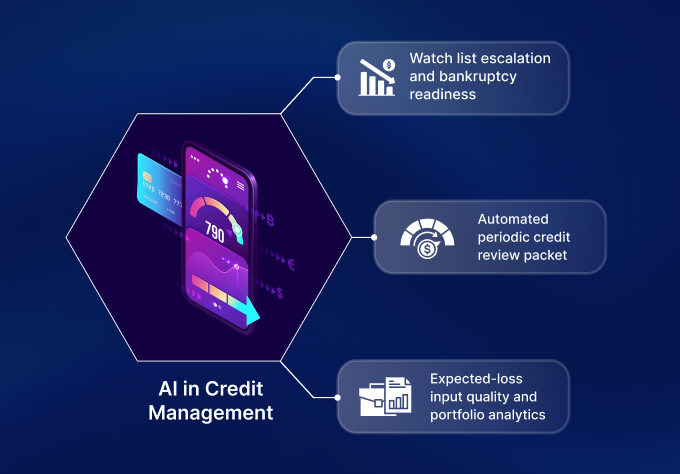
AI in Credit Management: B2B Use Cases and Agentic Workflows
AI changes credit work by examining artifacts before an analyst opens them, connecting records across systems, and preparing the evidence needed for review.

AI changes credit work by examining artifacts before an analyst opens them, connecting records across systems, and preparing the evidence needed for review.
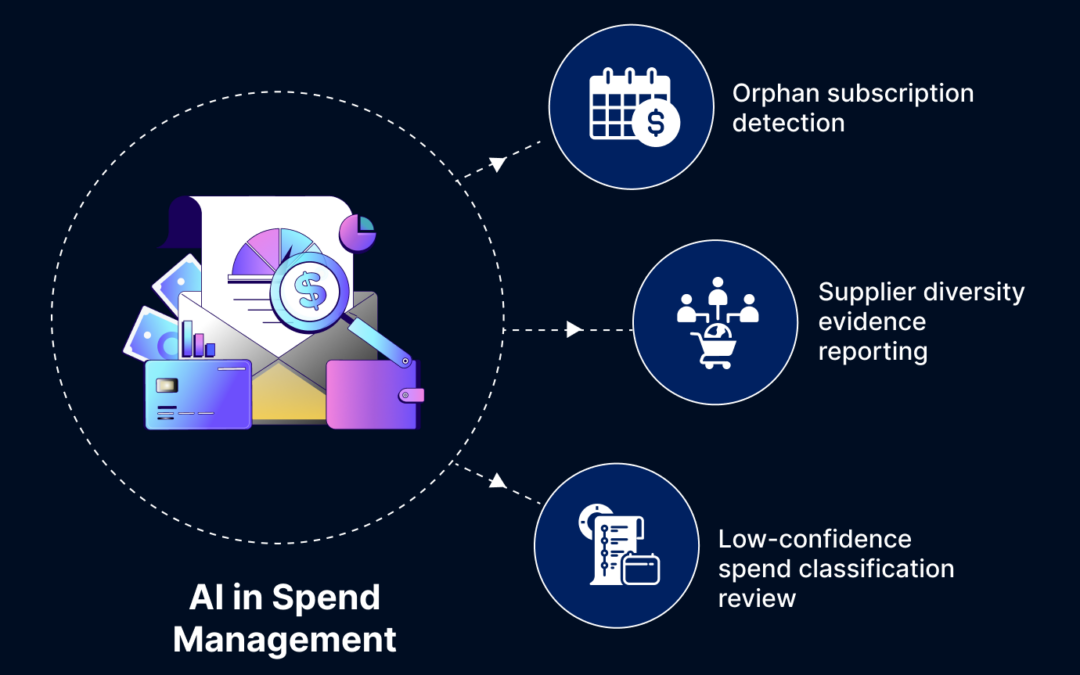
AI in spend management operates across financial records, supplier information, p-card data, employee-related T&E records, contract terms, ESG attributes, diversity certifications, and reported savings.
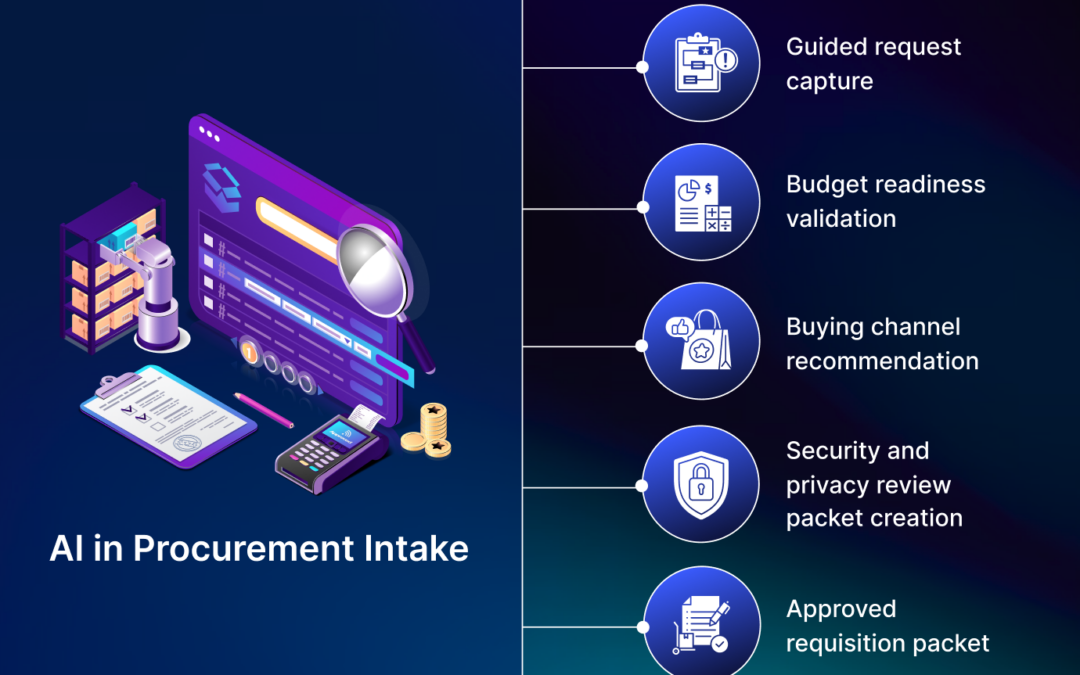
AI changes procurement intake by reading artifacts earlier, asking better questions, retrieving policy at the point of request, and preparing review packets before work reaches specialists.
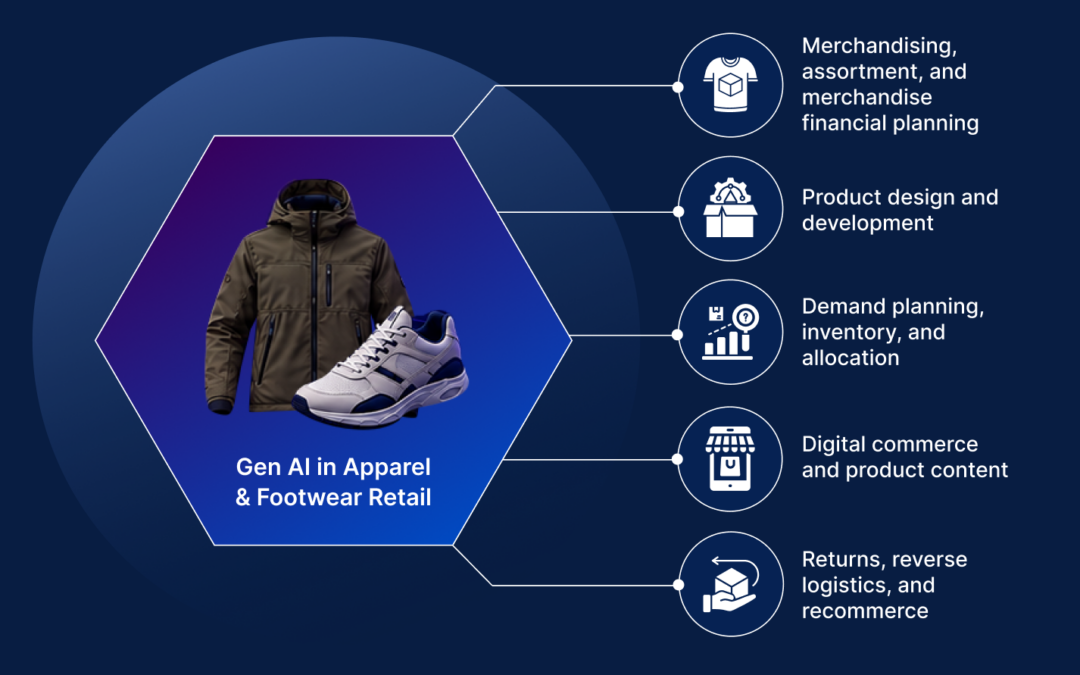
In apparel and footwear retail, generative AI drives efficiency and accuracy across logistics, merchandising, product design, sourcing, demand planning and fulfillment.
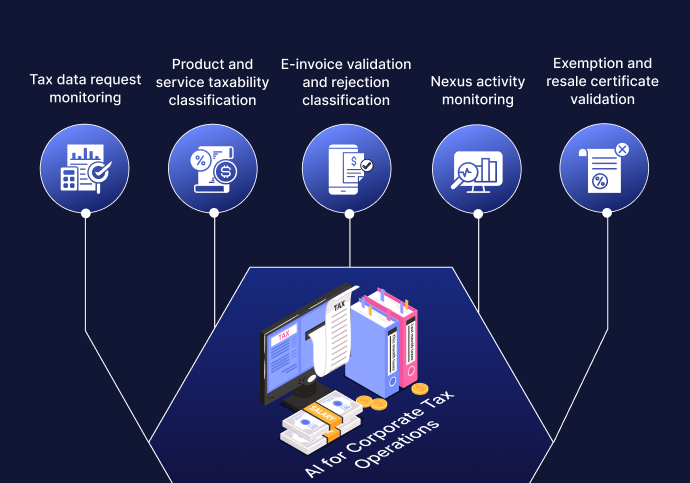
Organizations should prioritize AI investments in corporate tax operations based on operational impact, implementation readiness, tax and financial risk, and governance requirements, not according to the apparent sophistication of the underlying model.
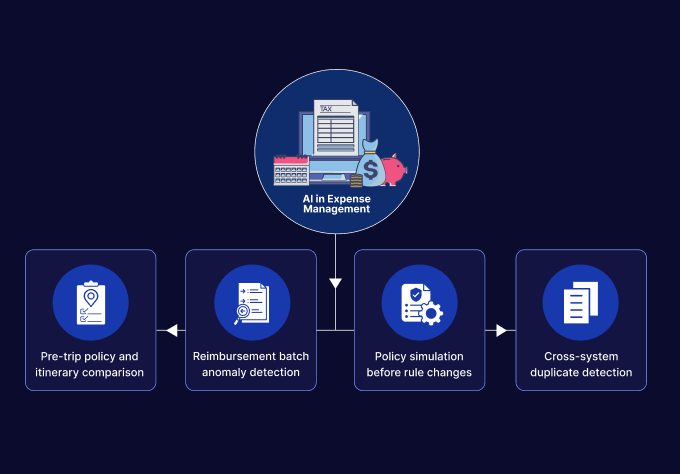
AI changes expense management work by analyzing receipts, transactions, policies, and supporting records before a traveler, approver, auditor, accountant, tax analyst, or compliance officer reviews them.


Follow Us


