Generative AI: Use cases, applications, solutions and implementation
Generative AI demonstrates versatile applications across diverse industries, leveraging its capacity to create novel content, simulate human behavior, and generate innovative outputs based on learned patterns.
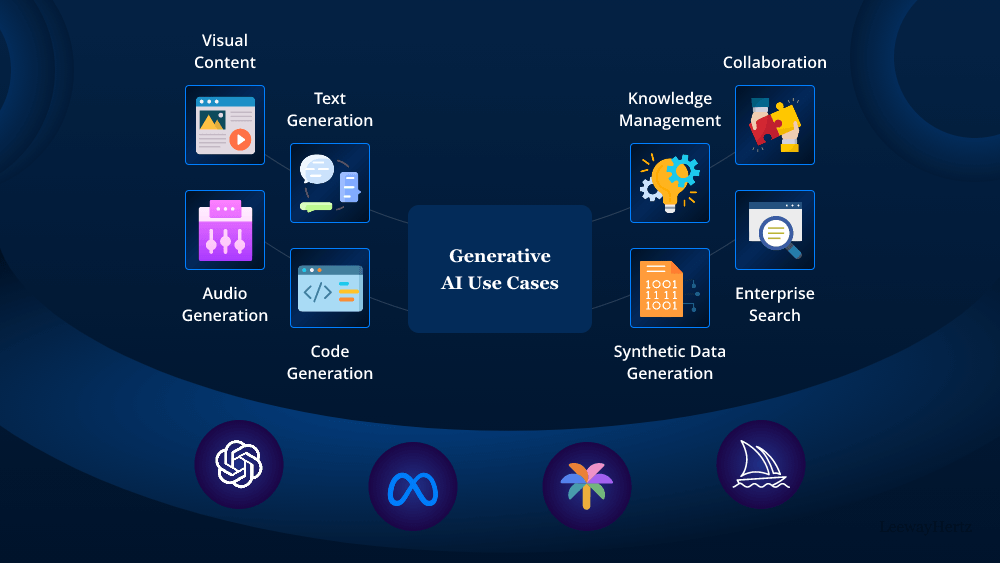

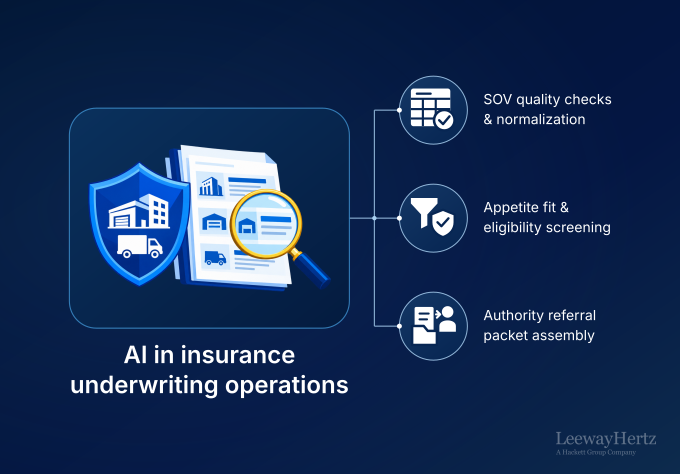
AI in Insurance Underwriting Operations: Use Cases Across Key Functions in the Operating Model
AI in insurance underwriting applies advanced AI capabilities to streamline submission processing, enrich risk data, support underwriting decisions, and automate documentation across the underwriting lifecycle.
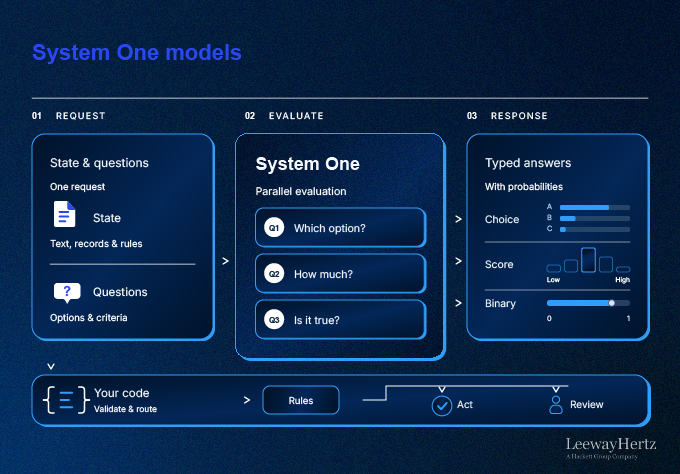
System One Models: A Decision Layer for Enterprise AI Workflows
A System One model is a decision-focused AI model that evaluates information supplied by an application and answers predefined questions about it.
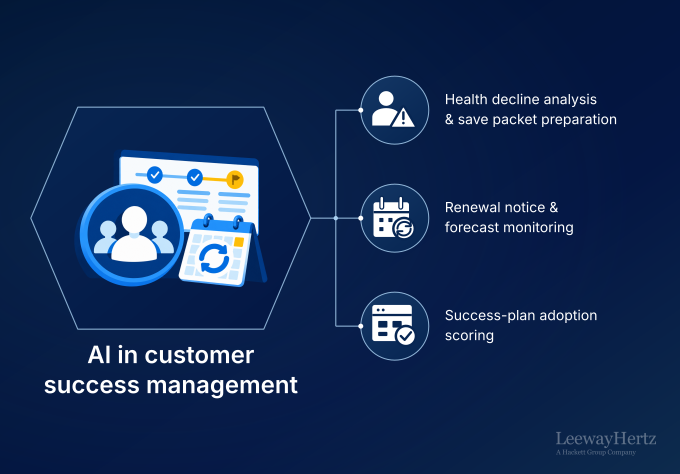
AI in Customer Success Management: Processes and Use Cases Across the Customer Lifecycle
AI in customer success management is the governed use of predictive analytics, classification, anomaly detection, natural-language generation, document intelligence, sentiment analysis, optimization, and retrieval-grounded answering across the post-sale lifecycle.
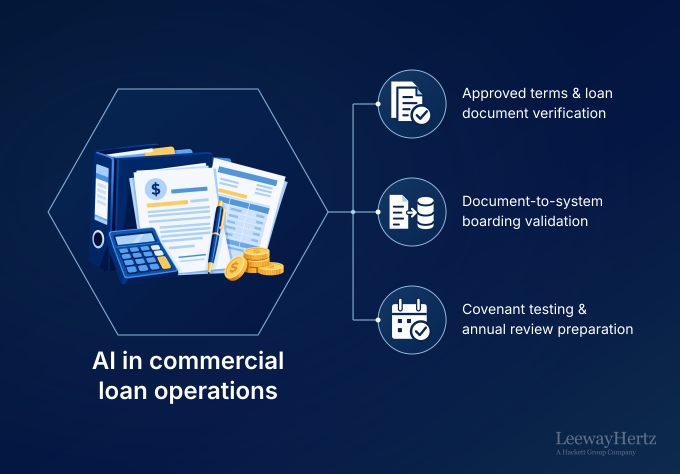
AI in Commercial Loan Operations: Processes Across the Operating Model
AI is transforming commercial loan operations by turning fragmented borrower, credit, collateral, servicing, and portfolio information into structured work products for review, correction, escalation, funding, and reporting through established banking controls.
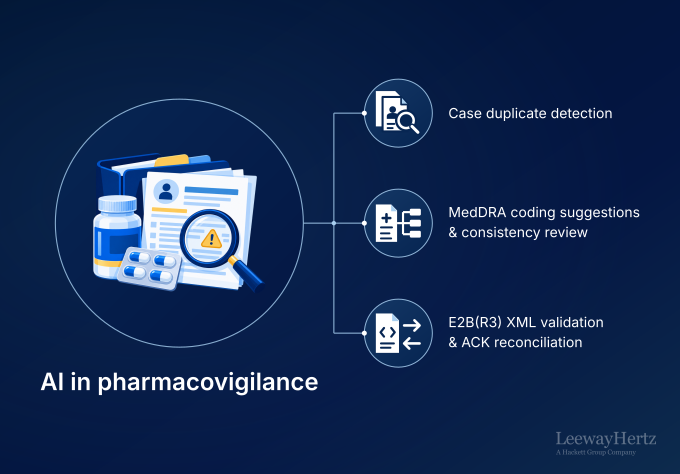
AI in Pharmacovigilance: Operating Model, Agentic Workflows and Governance
AI in pharmacovigilance is the governed use of analytical, generative and workflow capabilities across its operating model to prepare, check, route, summarize and retain evidence for human review.
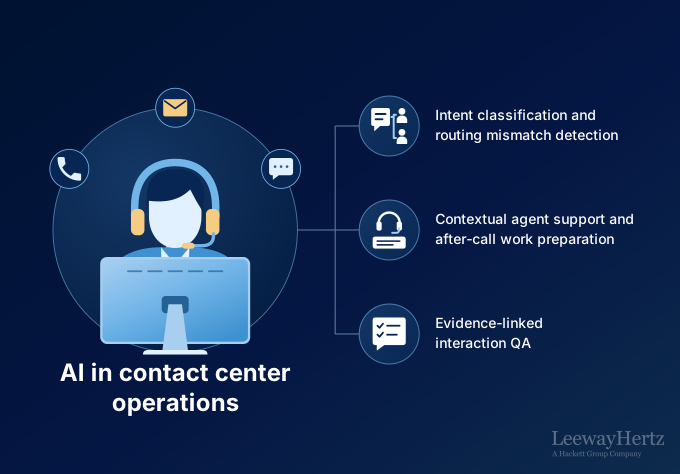
AI in Contact Center Operations: Use Cases & Agentic Workflows
Explore how AI supports contact center operations across routing, workforce management, quality assurance, coaching, compliance, escalation, and performance governance.
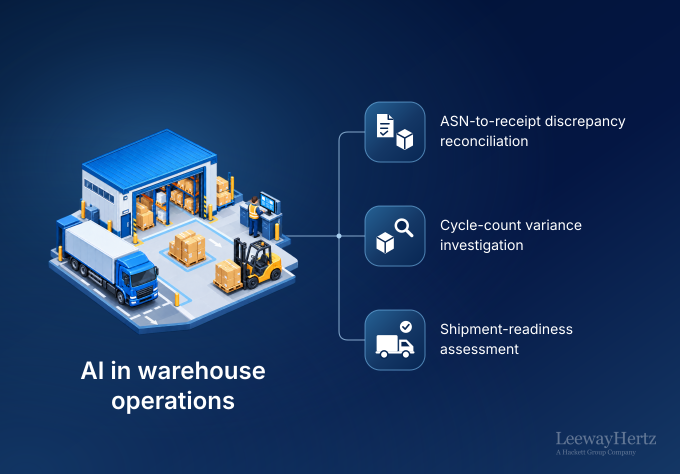
AI in Warehouse Operations: Use Cases Across the Warehouse Operating Model
AI changes warehouse operations by evaluating inventory records, tasks, documents, images, system events, labor capacity, and exceptions before a warehouse specialist begins the review.
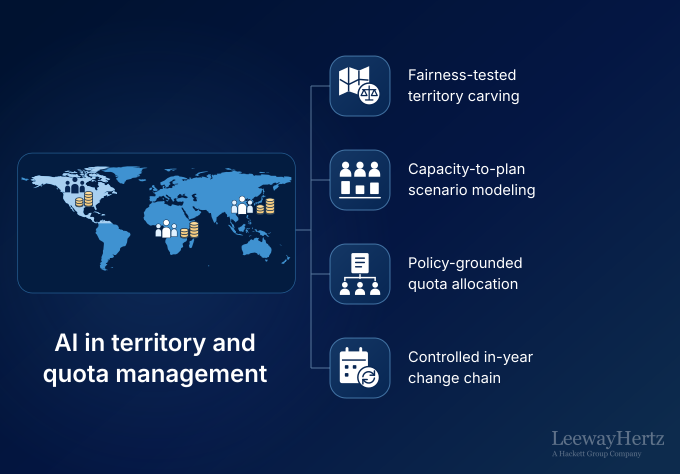
AI in Territory & Quota Management: Processes and Use Cases Across the Operating Model
AI in territory and quota management helps planning teams connect fragmented data, reconcile planning assumptions, compare scenarios, and prepare review-ready decisions across the territory and quota lifecycle while preserving human accountability.
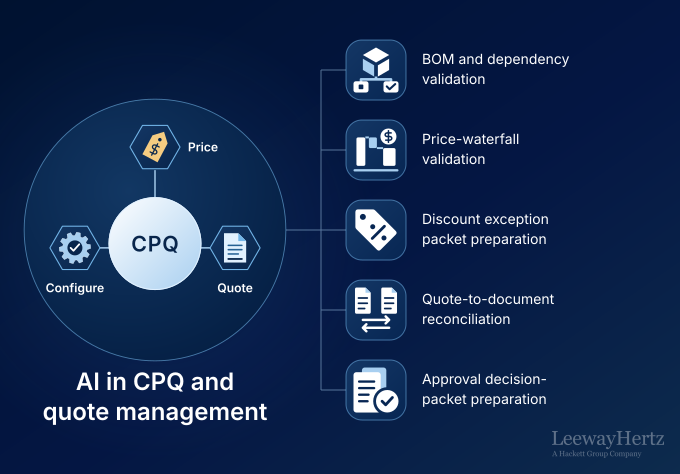
AI in CPQ and Quote Management: Use Cases Across Operating Model & Workflows
AI is transforming CPQ and quote management by helping commercial teams turn product, pricing, deal, and policy data into configuration checks, pricing analysis, approval packets, quote documents, and governed handoffs.

AI in Regulatory Affairs: Use Cases Across Operating Model
AI in regulatory affairs should be treated as an evidence and orchestration layer around controlled regulatory work, not as a replacement for regulatory judgment or health authority accountability.
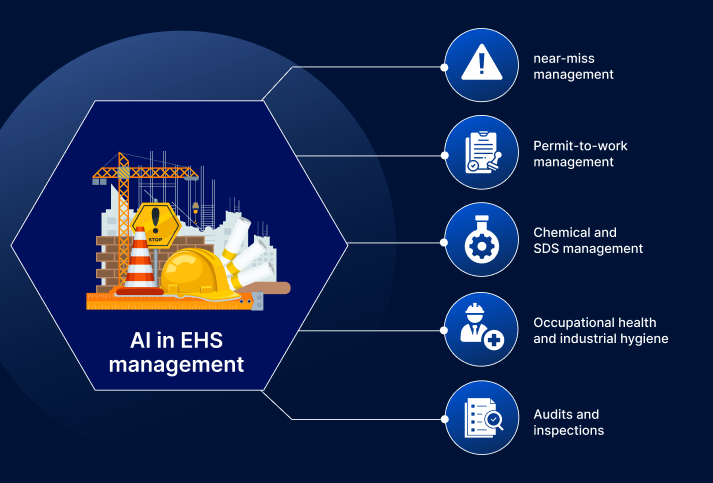
AI in EHS Management: Use Cases, Agentic Workflows and Governance
AI changes EHS work by evaluating safety records, permits, procedures, exposure data, images, inspection findings, environmental records, training histories, and compliance obligations before an EHS professional begins the review.

AI in Field Service Management: Use Cases Across the Operating Model
AI is changing field service by helping teams interpret service information faster, connect context across multiple systems, and prepare the evidence needed to act more consistently.