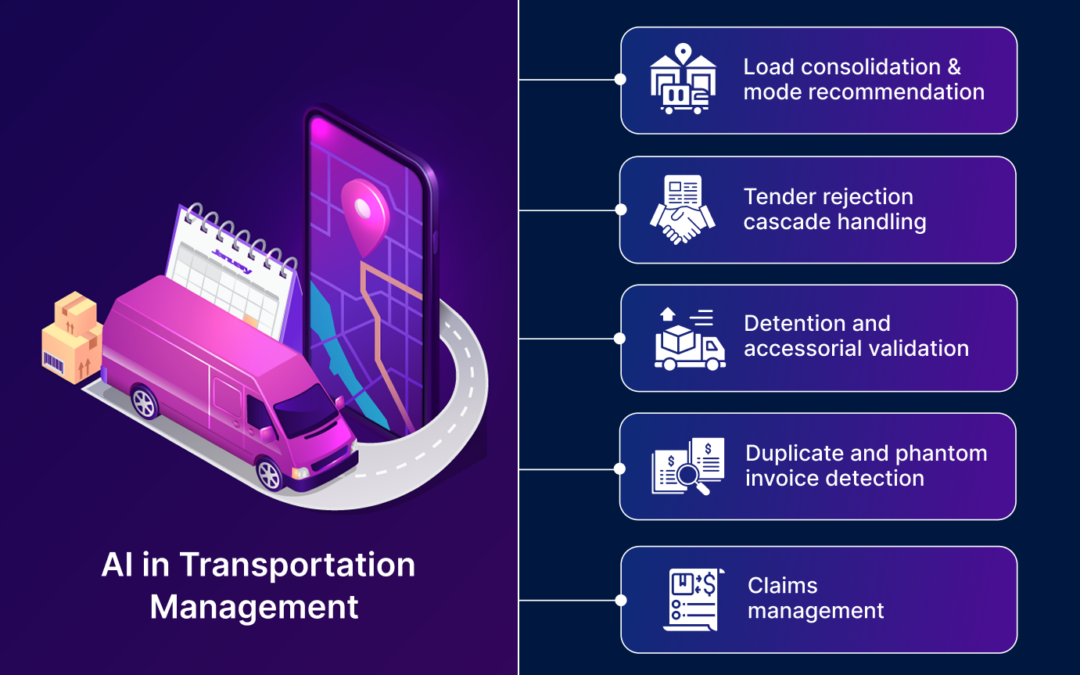
AI in Transportation Management: Processes and Use Cases Across Operating Model
AI is changing transportation management by helping teams convert fragmented shipment records into reviewable work packets.

AI is changing transportation management by helping teams convert fragmented shipment records into reviewable work packets.
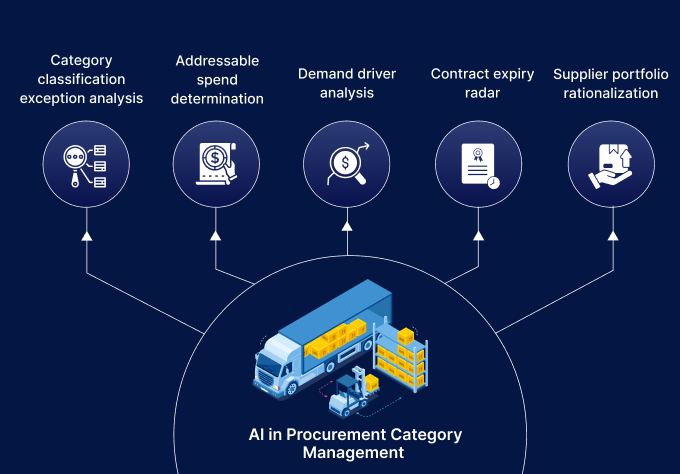
Organizations should prioritize AI investments in category management based on strategic impact, implementation readiness, artifact and data quality, integration requirements, and governance, rather than according to how advanced the AI model appears.
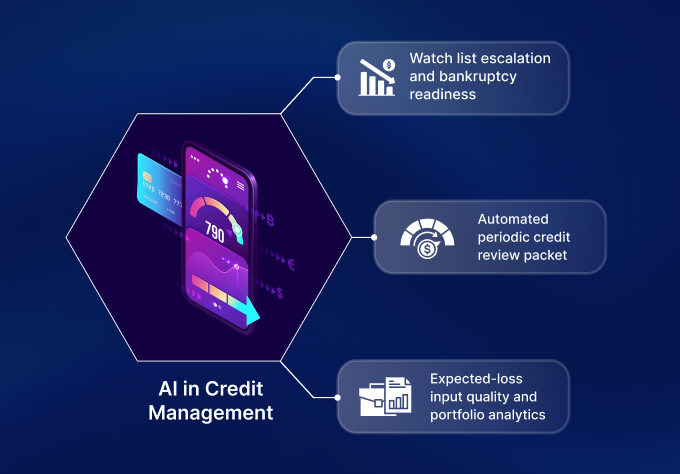
AI changes credit work by examining artifacts before an analyst opens them, connecting records across systems, and preparing the evidence needed for review.
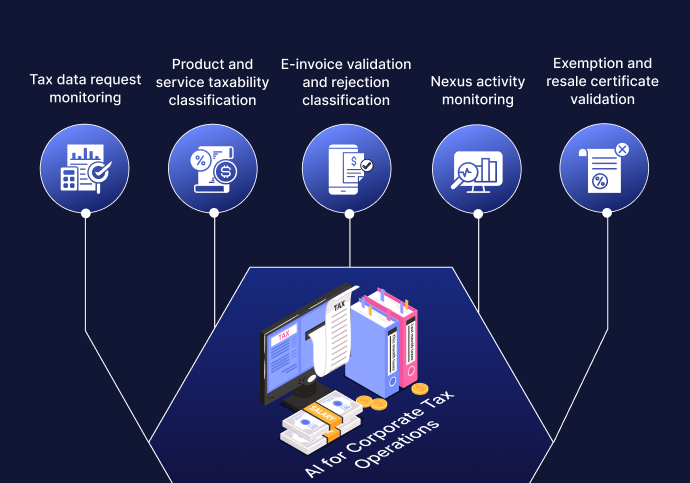
Organizations should prioritize AI investments in corporate tax operations based on operational impact, implementation readiness, tax and financial risk, and governance requirements, not according to the apparent sophistication of the underlying model.
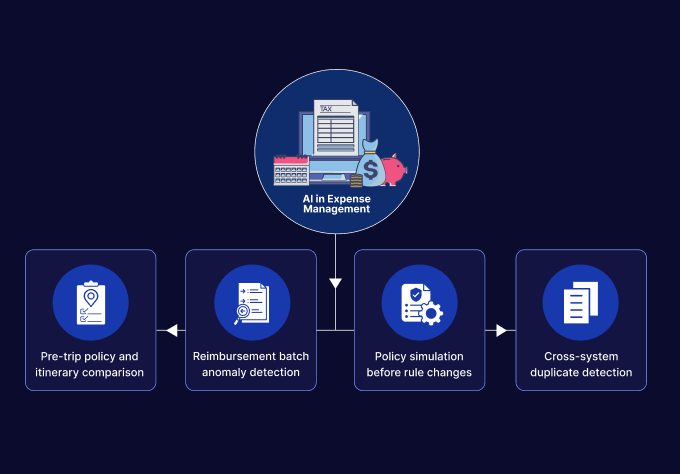
AI changes expense management work by analyzing receipts, transactions, policies, and supporting records before a traveler, approver, auditor, accountant, tax analyst, or compliance officer reviews them.
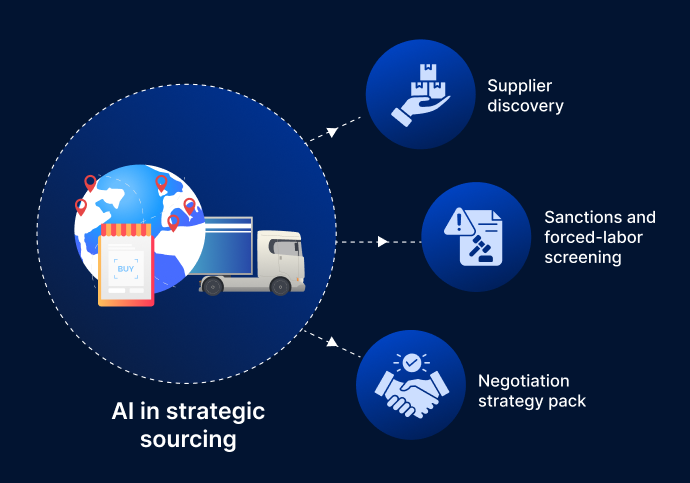
AI changes strategic sourcing by analyzing artifacts in advance, connecting evidence across systems, and preparing a clear, decision-ready brief for specialist review.


Follow Us


