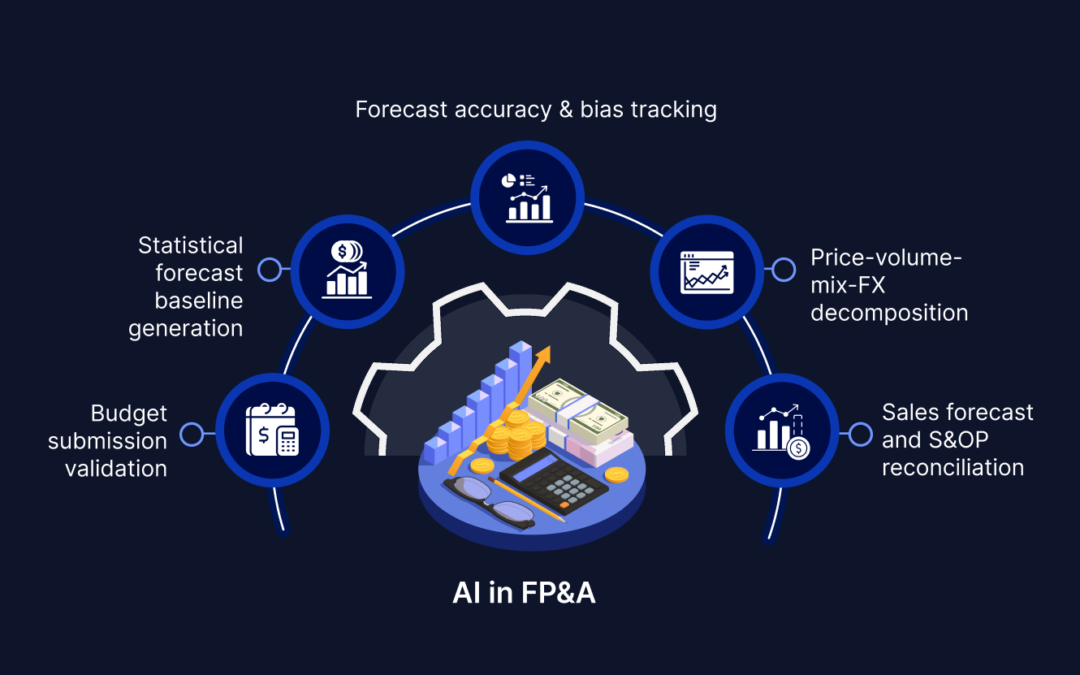
AI changes FP&A work by analyzing structured and unstructured planning artifacts before a finance professional opens them, connecting information across systems, and preparing the evidence required for review.
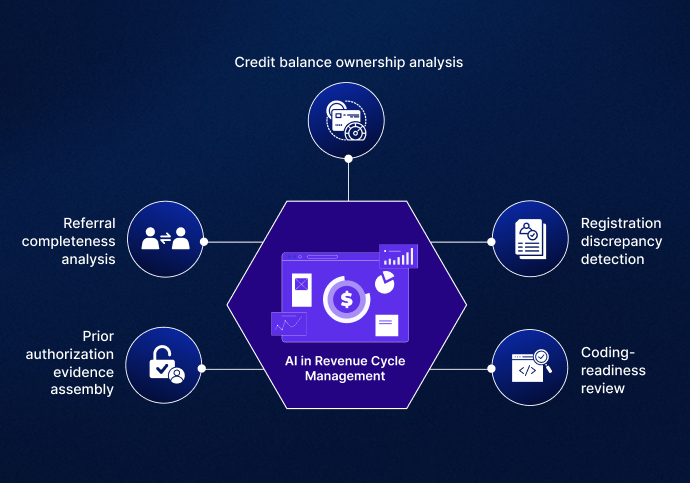
Organizations should prioritize AI in RCM investments based on operational impact, implementation readiness, and governance requirements, not according to the apparent sophistication of the underlying model.
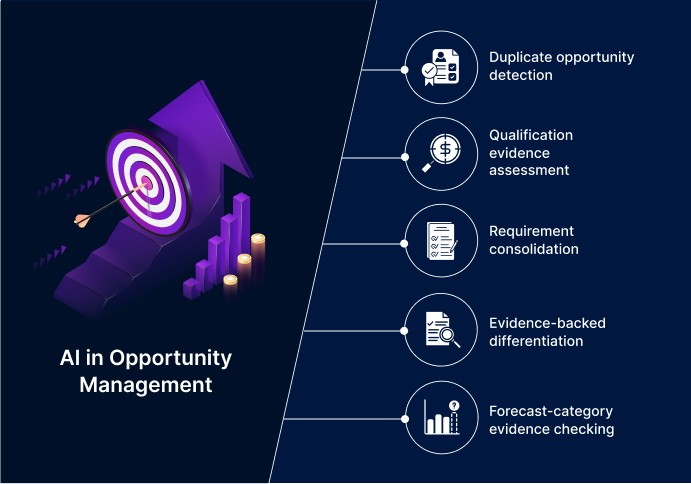
AI changes opportunity management by improving how organizations assemble evidence, interpret signals, identify exceptions and coordinate work across systems
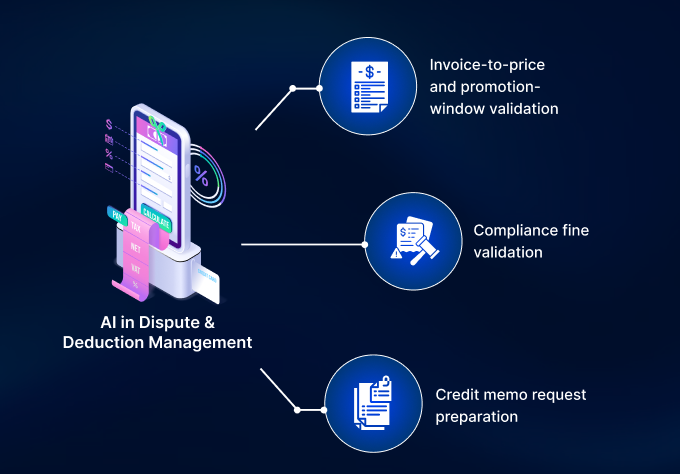
Organizations should prioritize AI application in deduction management based on evidence availability, recovery potential, reviewer accountability, and the financial consequences of an incorrect decision.
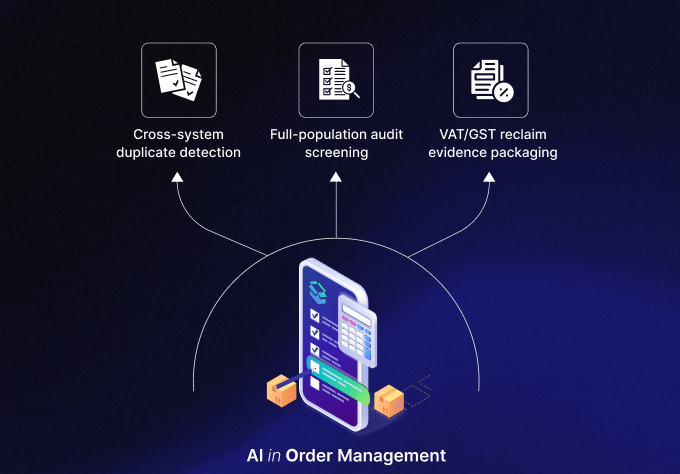
The most valuable AI opportunities emerge when order management is mapped beyond broad process labels and into the specific activities that make up the work.
This website uses cookies to personalize content, analyze our traffic and enhance your experience.
For information on what cookies, we use visit our cookie policy. For information on how we utilize personal information that we collect, please see our privacy statement.
This website uses cookies to improve your experience while you navigate through the website. Out of these cookies, the cookies that are categorized as necessary are stored on your browser as they are essential for the working of basic functionalities of the website. We also use third-party cookies that help us analyze and understand how you use this website. These cookies will be stored in your browser only with your consent. You also have the option to opt-out of these cookies. But opting out of some of these cookies may have an effect on your browsing experience.