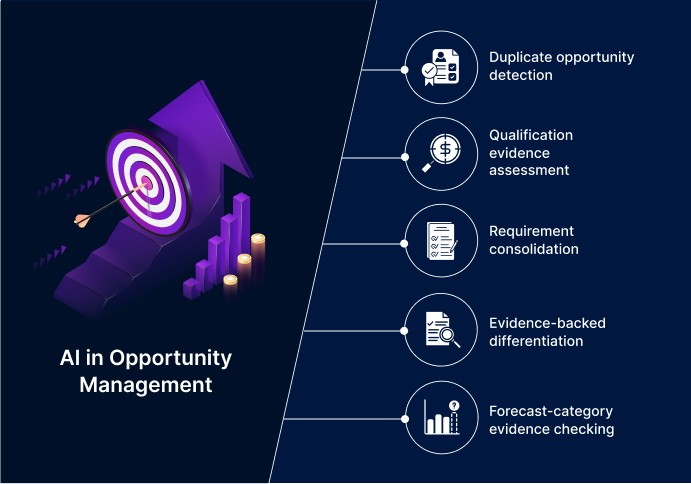
AI in Opportunity Management: Use Cases, Operating Model and Agentic Workflows
AI changes opportunity management by improving how organizations assemble evidence, interpret signals, identify exceptions and coordinate work across systems

AI changes opportunity management by improving how organizations assemble evidence, interpret signals, identify exceptions and coordinate work across systems
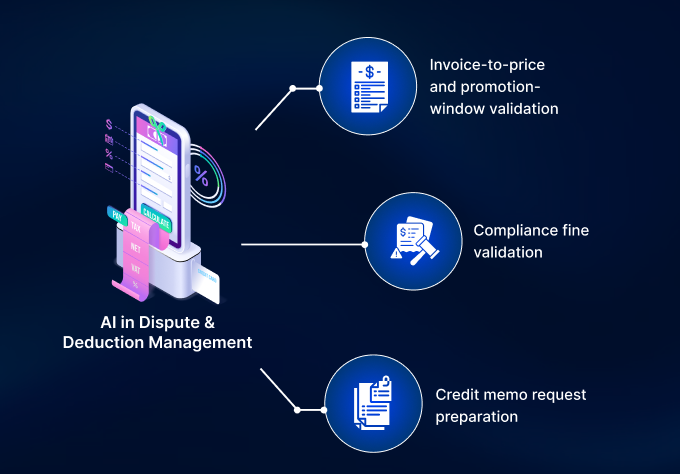
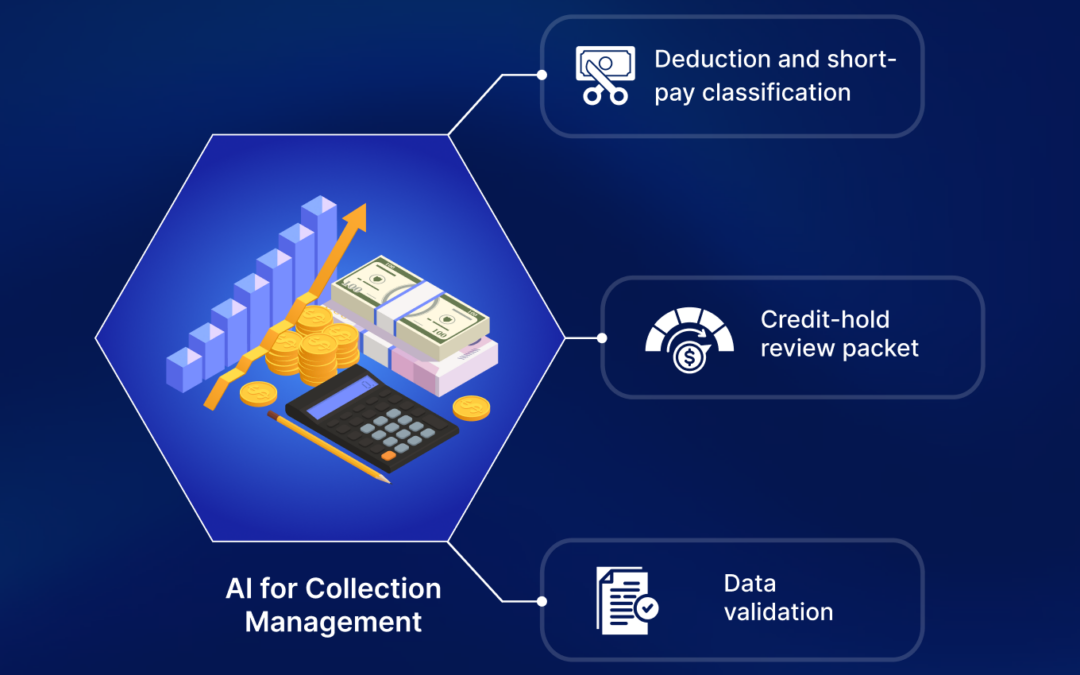
Organizations should prioritize AI application in deduction management based on evidence availability, recovery potential, reviewer accountability, and the financial consequences of an incorrect decision.
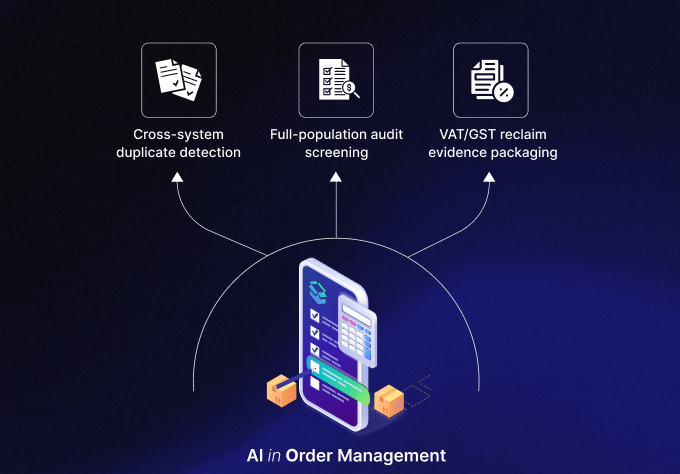
The most valuable AI opportunities emerge when order management is mapped beyond broad process labels and into the specific activities that make up the work.
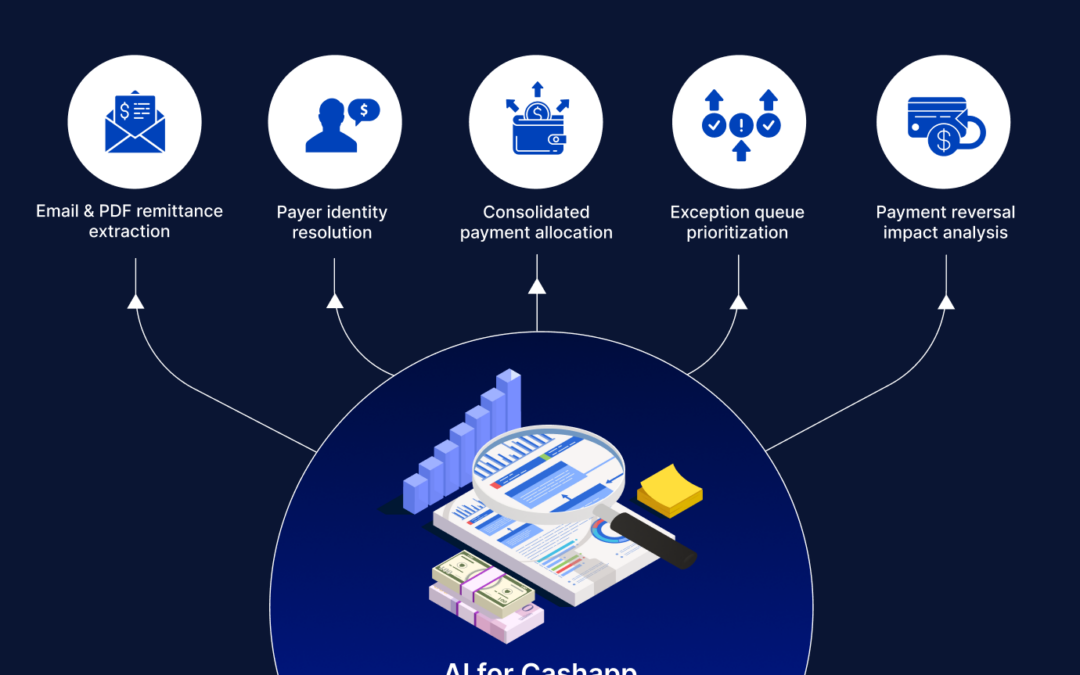
AI is transforming cash application by moving the function from manual reference lookup and spreadsheet-based matching toward evidence-linked, exception-driven work.
Investment and brokerage is a prime domain for generative and agentic AI because workflows intersect client records, research documents, portfolio data, regulatory requirements, exceptions, and operational handoffs.
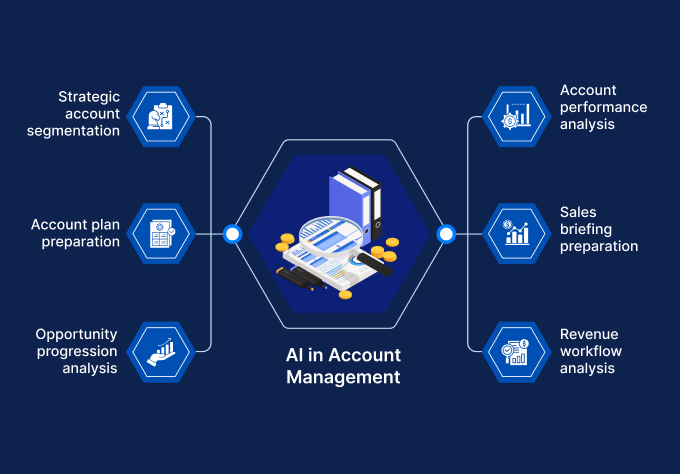
AI creates the most value in account management when it is applied to workflows that require repeated analysis, information consolidation, structured decision preparation, and coordination across revenue teams.


Follow Us


