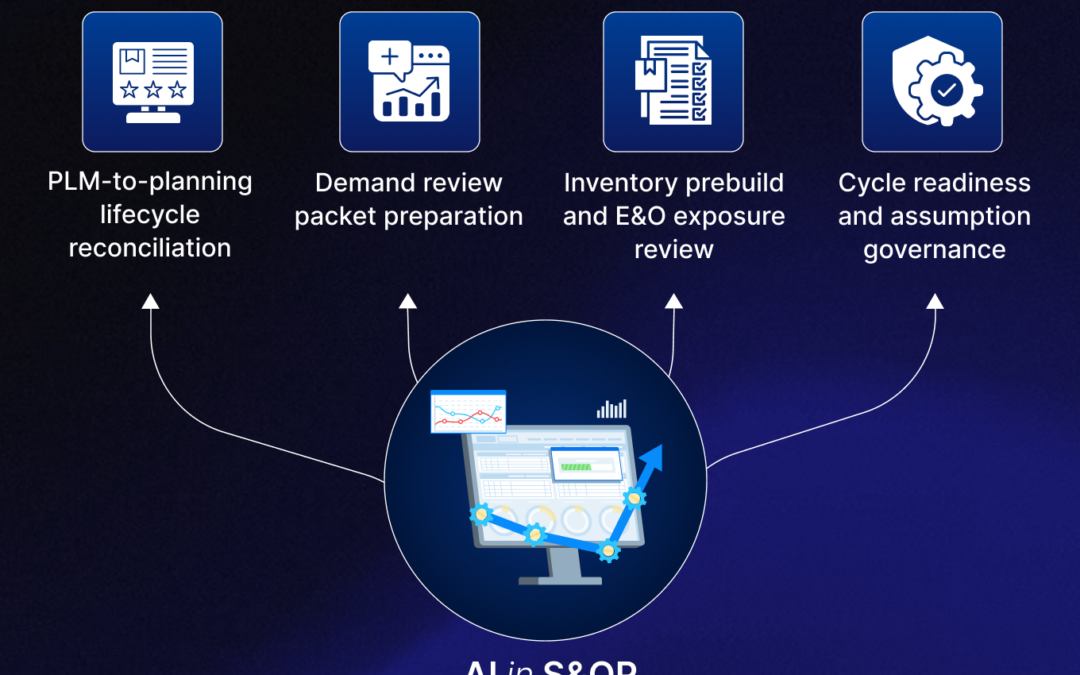
AI in S&OP: Processes and Use Cases Across the Operating Model
AI is changing S&OP by helping teams turn fragmented demand, supply, inventory, product, and financial inputs into evidence-rich review packets for each planning gate.

AI is changing S&OP by helping teams turn fragmented demand, supply, inventory, product, and financial inputs into evidence-rich review packets for each planning gate.
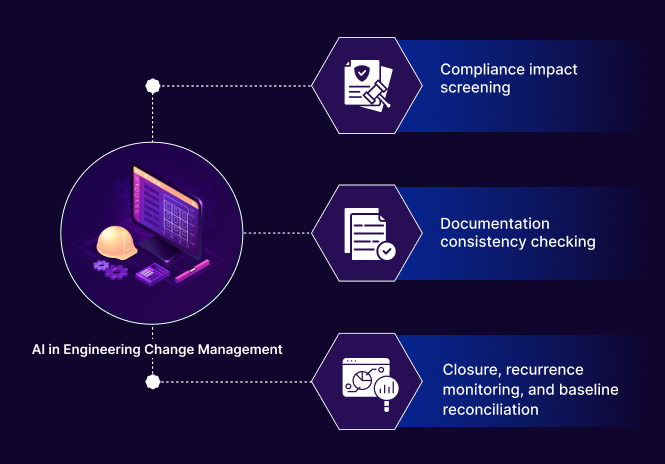
In engineering change management, AI is most valuable when it works within the controlled environment of product and configuration records.
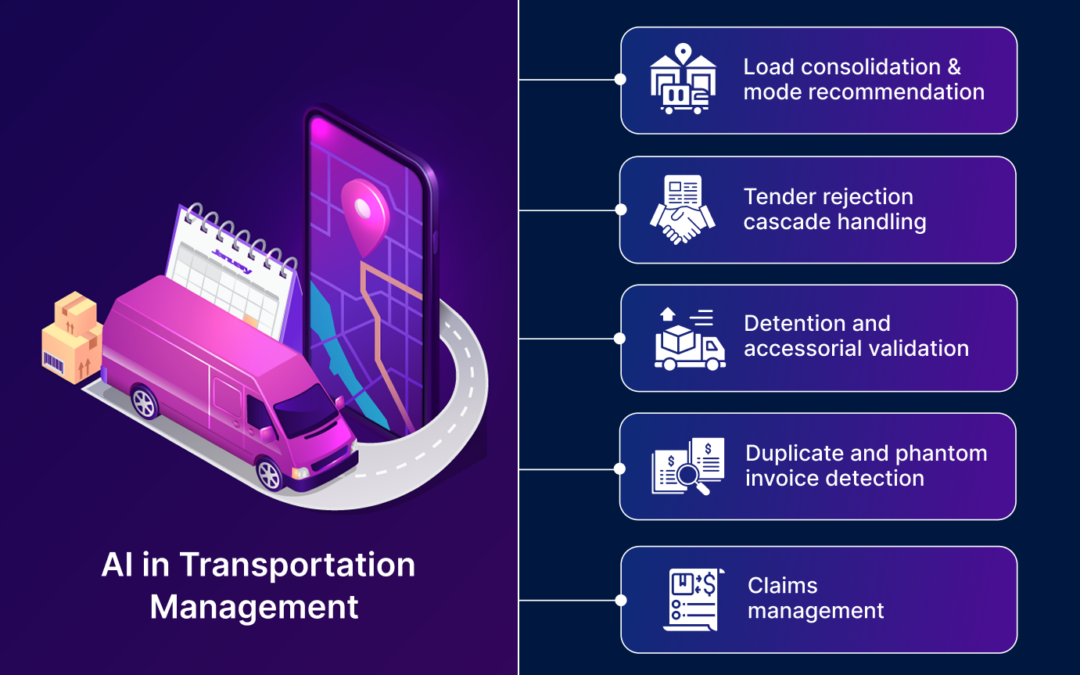
AI is changing transportation management by helping teams convert fragmented shipment records into reviewable work packets.
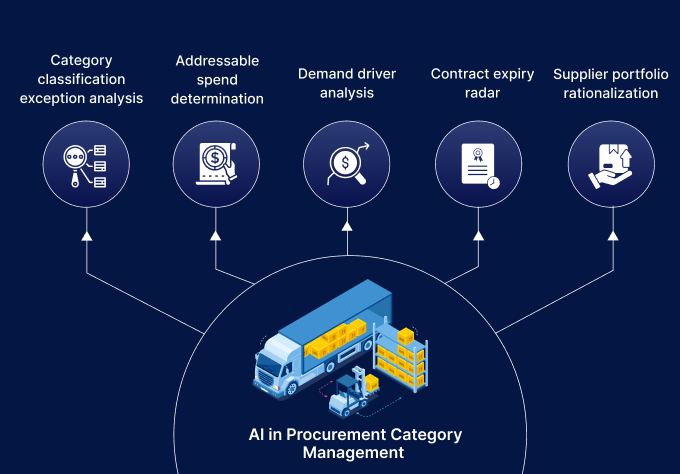
Organizations should prioritize AI investments in category management based on strategic impact, implementation readiness, artifact and data quality, integration requirements, and governance, rather than according to how advanced the AI model appears.
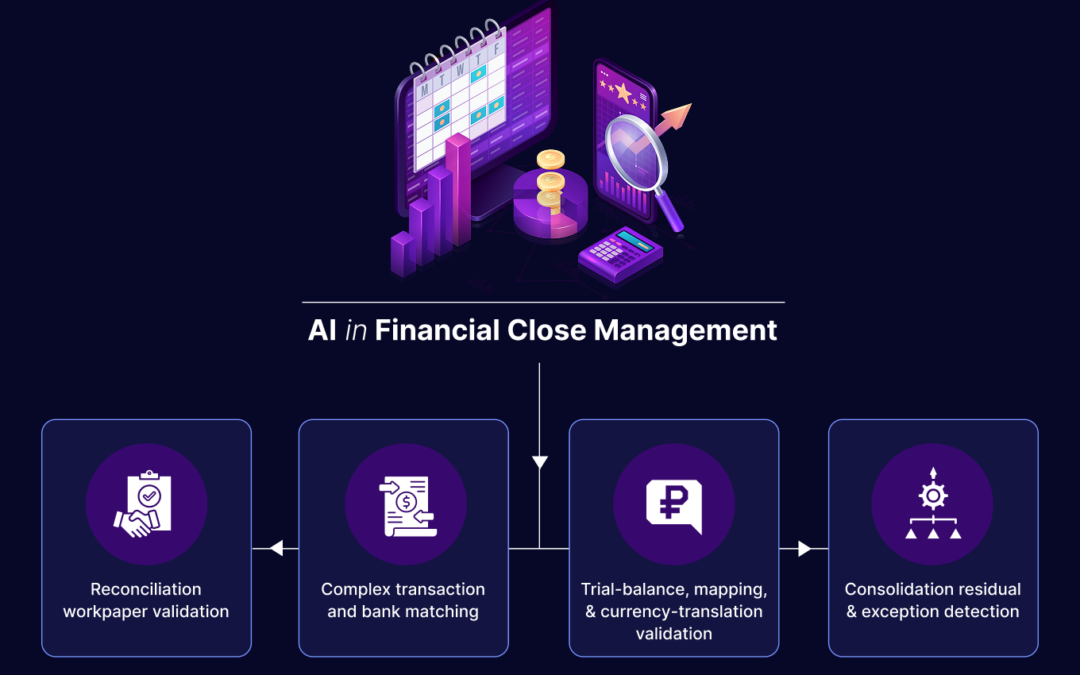
AI is changing financial close work by examining accounting artifacts before review begins, connecting related information across ERP, close-management, consolidation, and data systems, and preparing exceptions and supporting evidence for the appropriate accounting role.
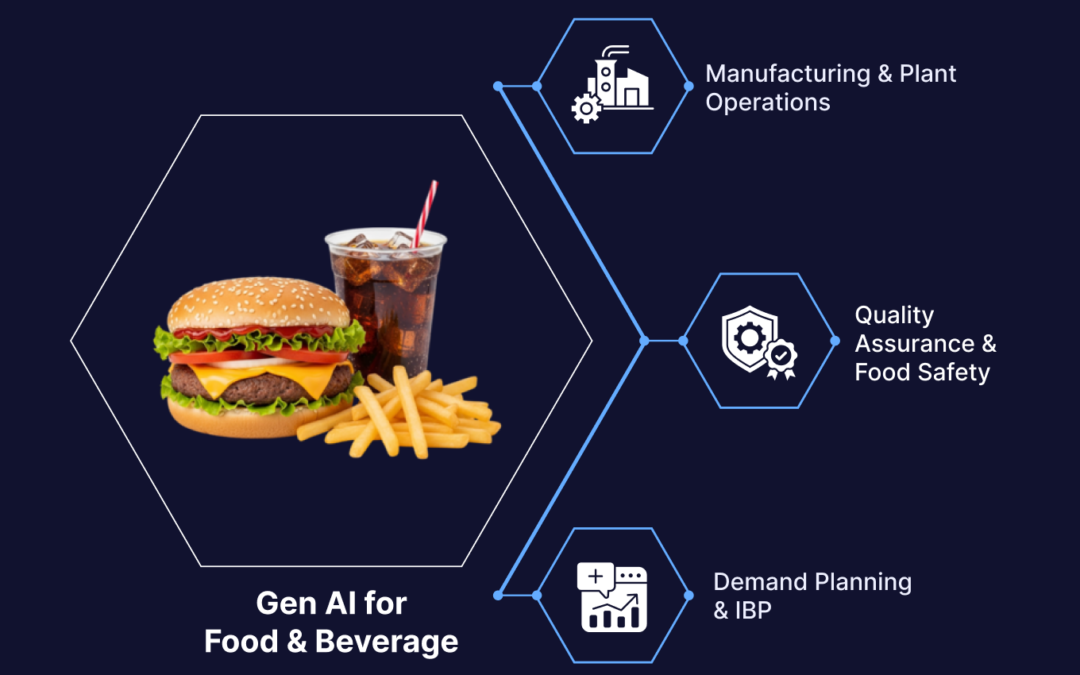
Generative AI can unlock significant efficiency, quality, and speed-to-market gains in food and beverage, but only when applied to specific, well-defined workflows.


Follow Us


