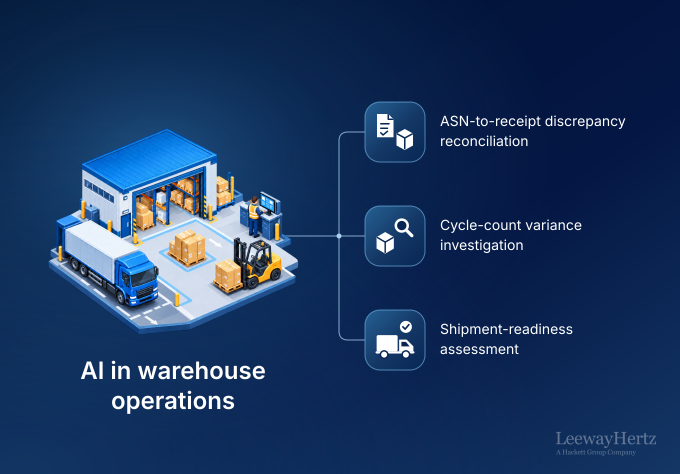
AI changes warehouse operations by evaluating inventory records, tasks, documents, images, system events, labor capacity, and exceptions before a warehouse specialist begins the review.
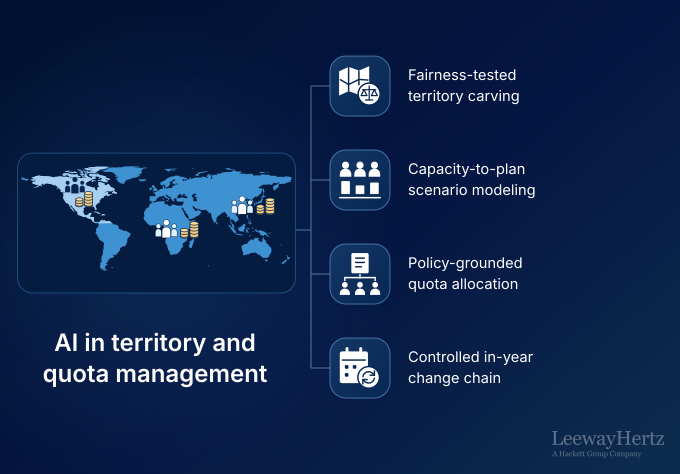
AI in territory and quota management helps planning teams connect fragmented data, reconcile planning assumptions, compare scenarios, and prepare review-ready decisions across the territory and quota lifecycle while preserving human accountability.
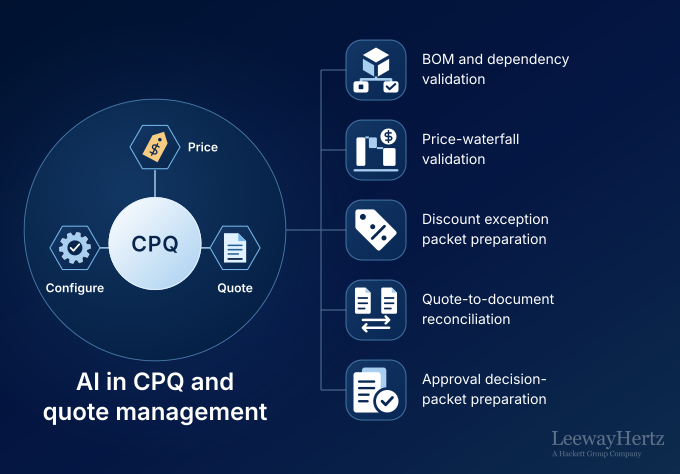
AI is transforming CPQ and quote management by helping commercial teams turn product, pricing, deal, and policy data into configuration checks, pricing analysis, approval packets, quote documents, and governed handoffs.
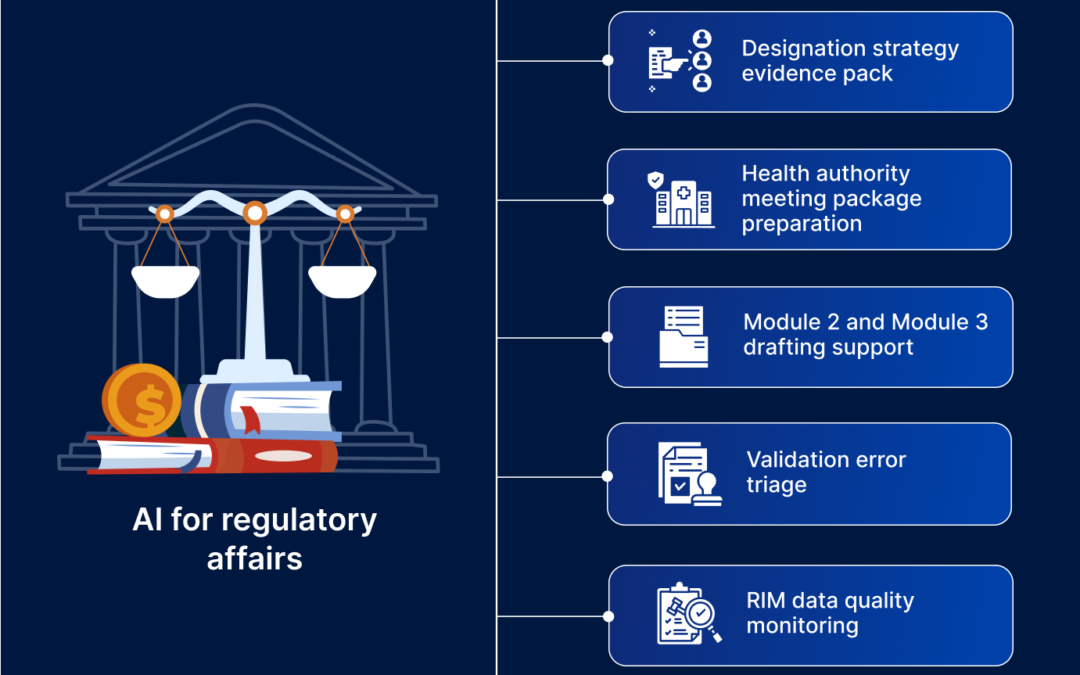
AI in regulatory affairs should be treated as an evidence and orchestration layer around controlled regulatory work, not as a replacement for regulatory judgment or health authority accountability.
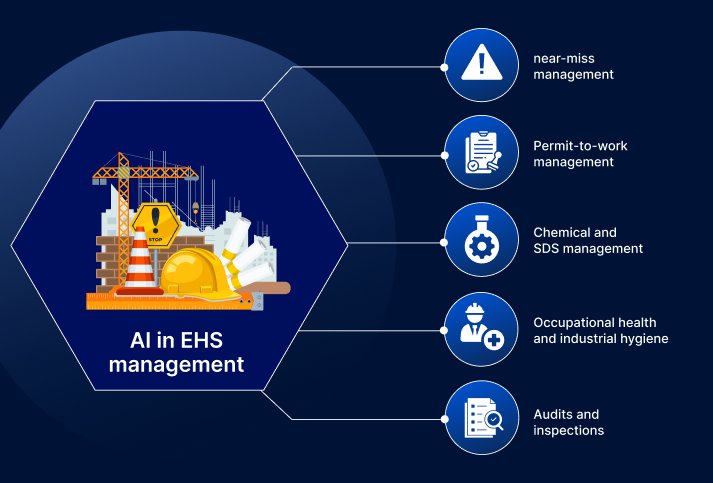
AI changes EHS work by evaluating safety records, permits, procedures, exposure data, images, inspection findings, environmental records, training histories, and compliance obligations before an EHS professional begins the review.
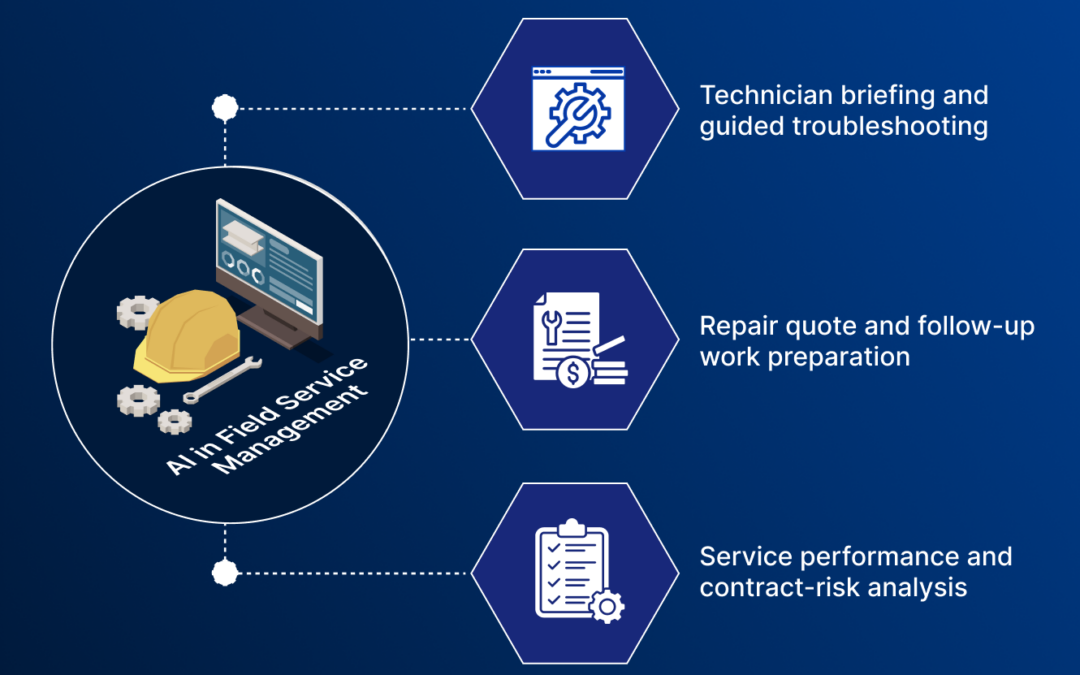
AI is changing field service by helping teams interpret service information faster, connect context across multiple systems, and prepare the evidence needed to act more consistently.